Wondering whether Stallings feels more like a quiet suburb, a commuter hub, or a little of both? If you are considering a move to this part of Union County, you probably want more than a map pin and a few listing photos. You want to know what daily life actually feels like, from the drive into Charlotte to weekend plans close to home. This guide will help you understand what it is like to live in Stallings, NC, and what buyers often notice first. Let’s dive in.
Stallings at a Glance
Stallings is a compact Charlotte-area suburb that sits next to Mecklenburg County and calls itself the Gateway to Union County. The town is about six miles long and one mile wide, with a 2024 population estimate of 17,617 across 8.36 square miles of land. That gives it a smaller-town footprint with strong access to the larger Charlotte region.
Location is one of Stallings’ biggest practical advantages. The town is roughly 15 miles from Uptown Charlotte and less than half a mile from I-485, with three interchanges in or near town limits. For many buyers, that makes Stallings appealing if you want suburban living without feeling far removed from work, shopping, or entertainment.
Another detail worth knowing early is that Stallings stretches into both Union and Mecklenburg counties. The town notes that residents on the Mecklenburg side receive separate county tax bills. If you are home shopping here, that is one of those small but important details that can affect how you compare properties.
Daily Life in Stallings
Living in Stallings often means having a suburban routine with regional convenience. Recent Census data show a mean commute time of 28.4 minutes, which supports the town’s reputation as a commuter-friendly place to live. If you work in Charlotte or travel around the southeast side of the metro, that convenience can shape your entire week.
The feel of town is practical and residential rather than urban and fast-paced. You are more likely to experience Stallings through neighborhoods, main road corridors, parks, and nearby shopping areas than through a dense downtown core. That tends to appeal to buyers who want space, access, and a more relaxed pace.
At the same time, Stallings is not standing still. The town’s planning framework includes a pedestrian-oriented town center, mixed-use areas, and redevelopment plans along the US 74 corridor. In everyday terms, that suggests a community that still feels suburban today but is planning for a more connected and convenient future.
Parks and Outdoor Amenities
One of the strongest lifestyle perks in Stallings is easy access to parks and outdoor spaces. The town’s park system centers on Stallings Municipal Park and Blair Mill Park, giving residents multiple options for recreation close to home. If outdoor time matters to you, this is a meaningful part of the local lifestyle.
Stallings Municipal Park includes:
- A tennis court
- Four pickleball courts
- Four playgrounds
- A half-mile walking loop
- Picnic pods
- Rentable shelters
- A band shell
- Restrooms
Blair Mill Park offers a different setup with a 12-hole disc golf course, a playground, and restrooms. Together, these spaces support a flexible outdoor routine, whether you want to walk, play, meet friends, or spend time outside on the weekend.
The town’s Parks and Recreation department also emphasizes greenways and trails as a way to connect parks, events, and amenities. These spaces are intended for walking, running, and non-motorized biking. That focus adds another layer to everyday living in Stallings, especially if you value simple ways to get outside without driving far.
Walkability and Connectivity
Stallings is still suburban in form, but the town has made walkability a planning goal. Its pedestrian plan aims to connect commercial centers, schools, and parks to residential neighborhoods through sidewalks and greenways. While that does not make Stallings a fully walk-everywhere town, it does show a clear effort to improve local connections.
The town says it maintains 14 miles of sidewalks and is working with the Carolina Thread Trail project. For buyers, that means some parts of Stallings may feel more connected over time, particularly for everyday walking and recreation. If you like the idea of suburban space with improving infrastructure, that is a positive sign.
This is also helpful context when you visit homes in person. Some neighborhoods may feel more car-dependent today, while others may offer easier access to sidewalks, parks, or nearby roads for errands. Understanding that mix can help you choose the right fit for your lifestyle.
Shopping, Dining, and Entertainment
Stallings functions as part of a broader southeast Charlotte suburban corridor. The town’s planning documents note that Stallings and Matthews residents use the same roads for work, shopping, and leisure. In practical terms, that means daily errands often extend beyond one town line.
Rather than relying on a traditional downtown, Stallings tends to offer a corridor-based lifestyle. You may drive to shops, services, and restaurants along major roads and also use nearby areas for entertainment and routine errands. For many buyers, that setup feels familiar and convenient.
The town also points to a more mixed-use future, especially along Stallings Road and the US 74 corridor. Planning policies prioritize retail businesses, office space, and mixed-use development in certain areas. Over time, that could create a more connected experience for shopping and services within town.
For recreation beyond parks, nearby attractions include Sun Valley 14 Movie Theatre in Indian Trail, Extreme Ice Center, Kate’s Skating Rink, Matthews Heritage Museum, and larger Charlotte-area destinations like Carowinds and Discovery Place. That range helps Stallings feel well-positioned, with local convenience and bigger regional options both within reach.
Housing in Stallings
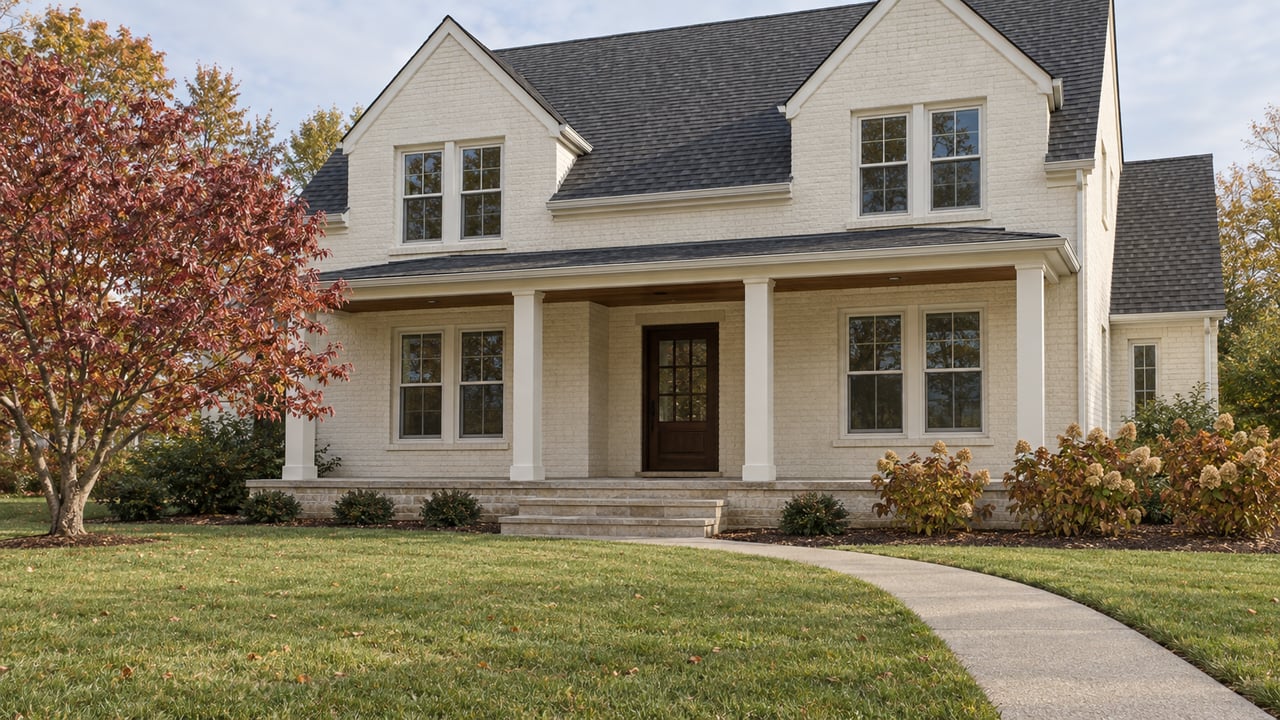
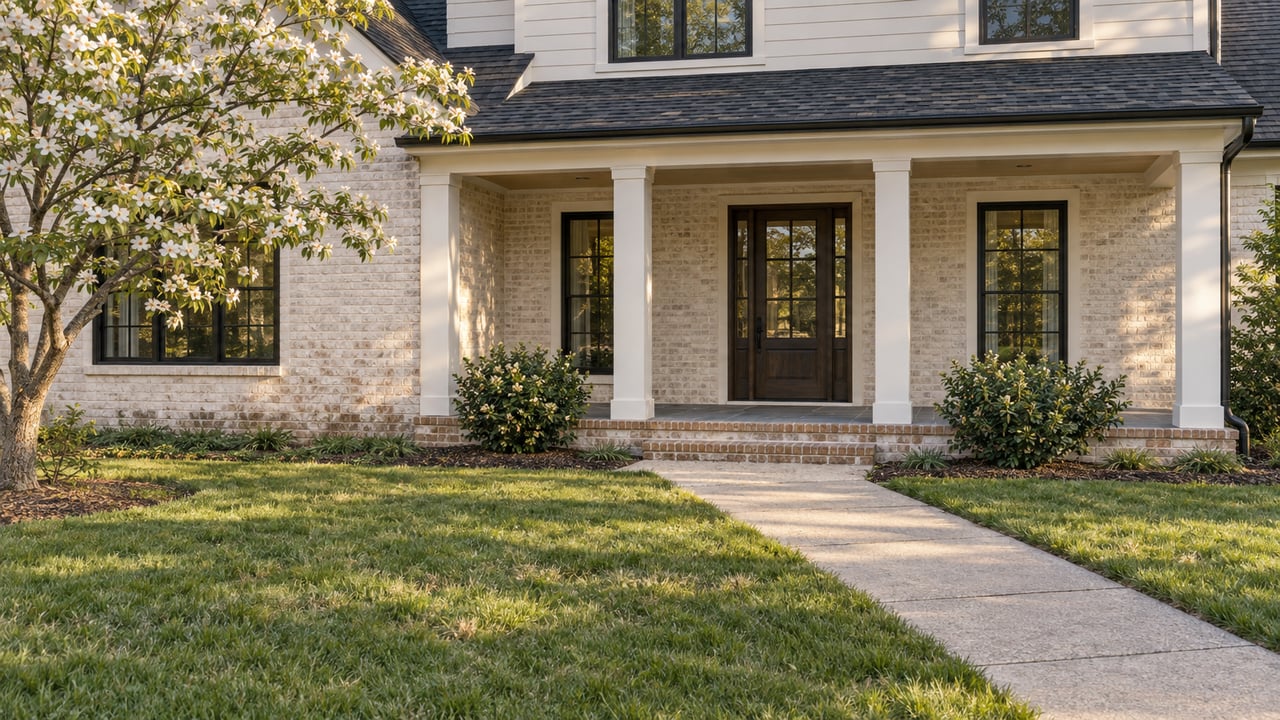
If you are trying to picture the housing stock, Stallings offers more variety than some buyers expect. The town’s Comprehensive Land Use Plan identifies 48 distinct neighborhoods. That number alone suggests a wider mix of home styles, ages, and neighborhood layouts than you might assume from a quick search online.
US 74 plays an important role in how the town is organized. According to the town’s land use plan, newer and larger neighborhoods with prominent single-family homes are mainly north of US 74. South of the highway, you are more likely to find smaller and older neighborhoods with homes from multiple decades.
That split can be useful when narrowing your search. If you prefer a newer subdivision feel, larger homes, or a more recently built streetscape, you may want to pay close attention to areas north of US 74. If you like established neighborhoods or a broader mix of housing ages and styles, the southern side of town may offer more options.
The overall pattern remains suburban, with many neighborhoods built around loops and cul-de-sacs. At the same time, the town’s zoning allows for detached homes, attached homes like townhomes or duplexes, and multi-family buildings in certain districts. That gives Stallings a housing mix that can work for different stages of life and different budget ranges.
What the Market Suggests
Census data point to a strongly owner-occupied market in Stallings. About 87.5% of housing units are owner-occupied, which supports the town’s residential, established suburban feel. That can matter if you are looking for a place where homeownership is a major part of the local housing pattern.
The same data show a median home value of $428,000, a median gross rent of $1,882, and a median household income of $115,974. These figures help frame Stallings as a suburb with stable demand and a pricing profile that reflects its location near Charlotte. If you are comparing communities around the metro, Stallings often lands in that space between convenience and longer-term value.
For buyers looking at total monthly cost, the town’s finance page lists a current town tax rate of 18.9 cents per $100 of assessed value, plus a $67 residential stormwater fee. That is the kind of practical line item worth reviewing when you compare homes, especially if you are relocating from another county or state.
Who Stallings May Suit Best
Stallings may be a strong match if you want a Charlotte-area suburb with commuter convenience, neighborhood variety, and good park access. It can also make sense if you like being near shopping and entertainment without needing to live in a dense urban setting. Many buyers are drawn to that balance.
You may especially appreciate Stallings if your priorities include:
- Access to Charlotte and I-485
- A suburban setting with established neighborhoods
- Parks, playgrounds, and outdoor amenities
- A mix of older and newer housing options
- Everyday convenience through nearby retail corridors
Like any move, the right fit depends on your routine. The best way to evaluate Stallings is to think about where you will drive most, how much neighborhood variety you want, and whether its suburban layout matches how you like to live.
Stallings offers a practical, connected version of suburban life. You get proximity to Charlotte, a growing network of parks and sidewalks, and a housing mix that gives buyers real choices. If you are looking for a place that feels convenient, residential, and well-positioned for daily life in the Charlotte area, Stallings deserves a closer look.
If you are thinking about buying or selling in Stallings, Jennifer DiBenedetto can help you compare neighborhoods, understand the local market, and make a confident move with personalized guidance.
FAQs
What is Stallings, NC like for commuters?
- Stallings is about 15 miles from Uptown Charlotte, less than half a mile from I-485, and has a mean commute time of 28.4 minutes, making it attractive for many Charlotte-area commuters.
What kinds of homes are in Stallings, NC?
- Stallings includes newer and larger single-family neighborhoods, older subdivisions with homes from multiple decades, and some areas that allow attached and multi-family housing.
Does Stallings, NC have parks and greenways?
- Yes. Stallings has major local parks like Stallings Municipal Park and Blair Mill Park, and the town also focuses on greenways, trails, sidewalks, and broader pedestrian connections.
Is Stallings, NC walkable?
- Stallings is still primarily suburban and car-oriented, but the town maintains 14 miles of sidewalks and has planning goals focused on improving connections between neighborhoods, parks, schools, and commercial areas.
What should buyers know about taxes in Stallings, NC?
- Buyers should know Stallings spans both Union and Mecklenburg counties, which can affect county tax billing, and the town lists a tax rate of 18.9 cents per $100 of assessed value plus a $67 residential stormwater fee.