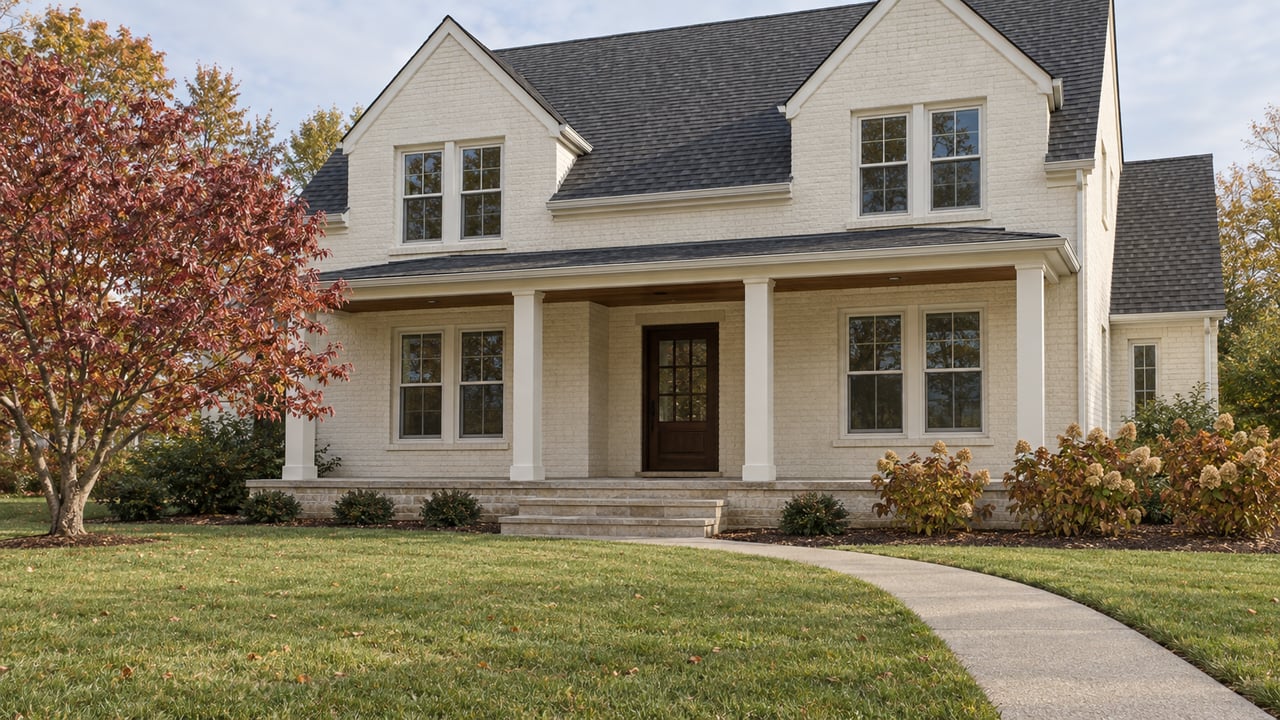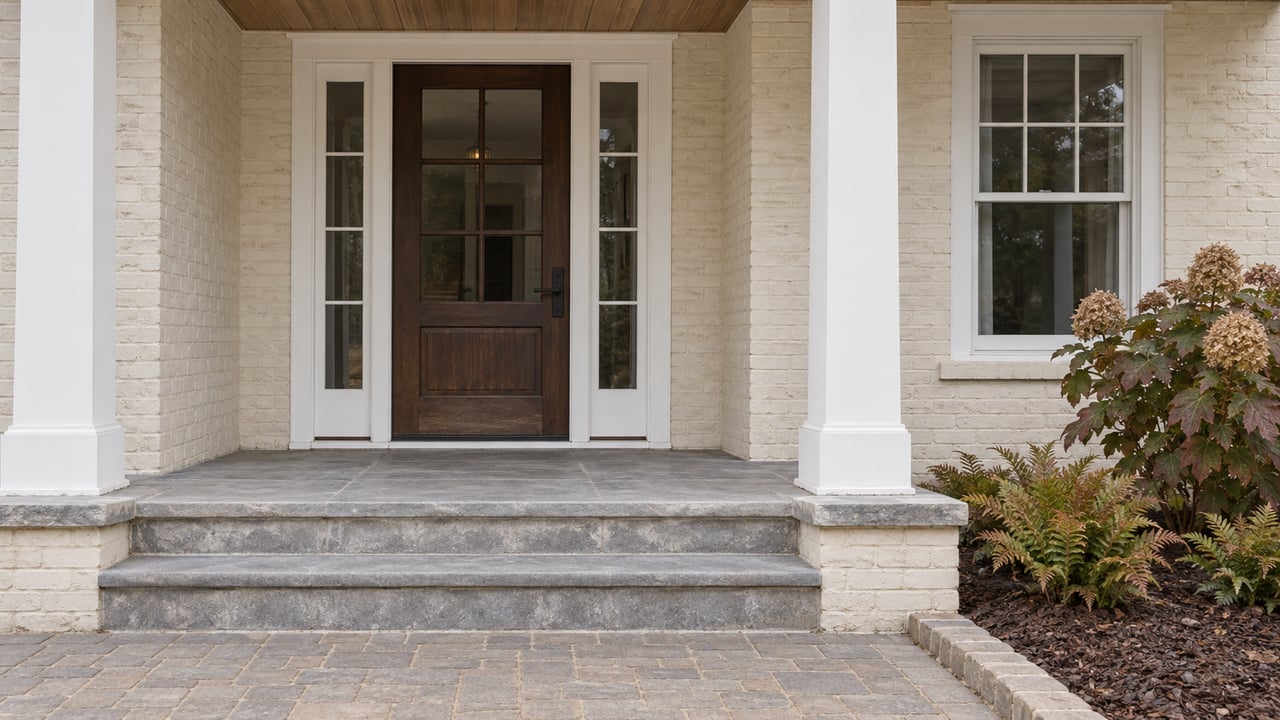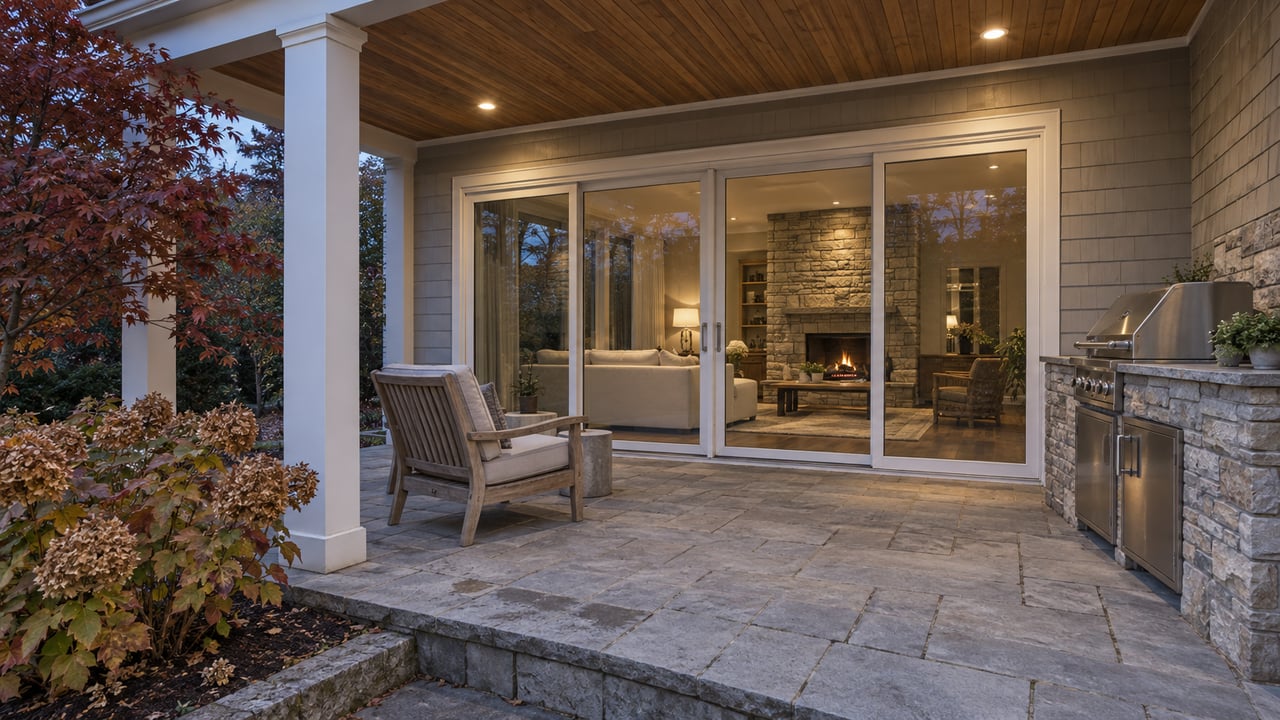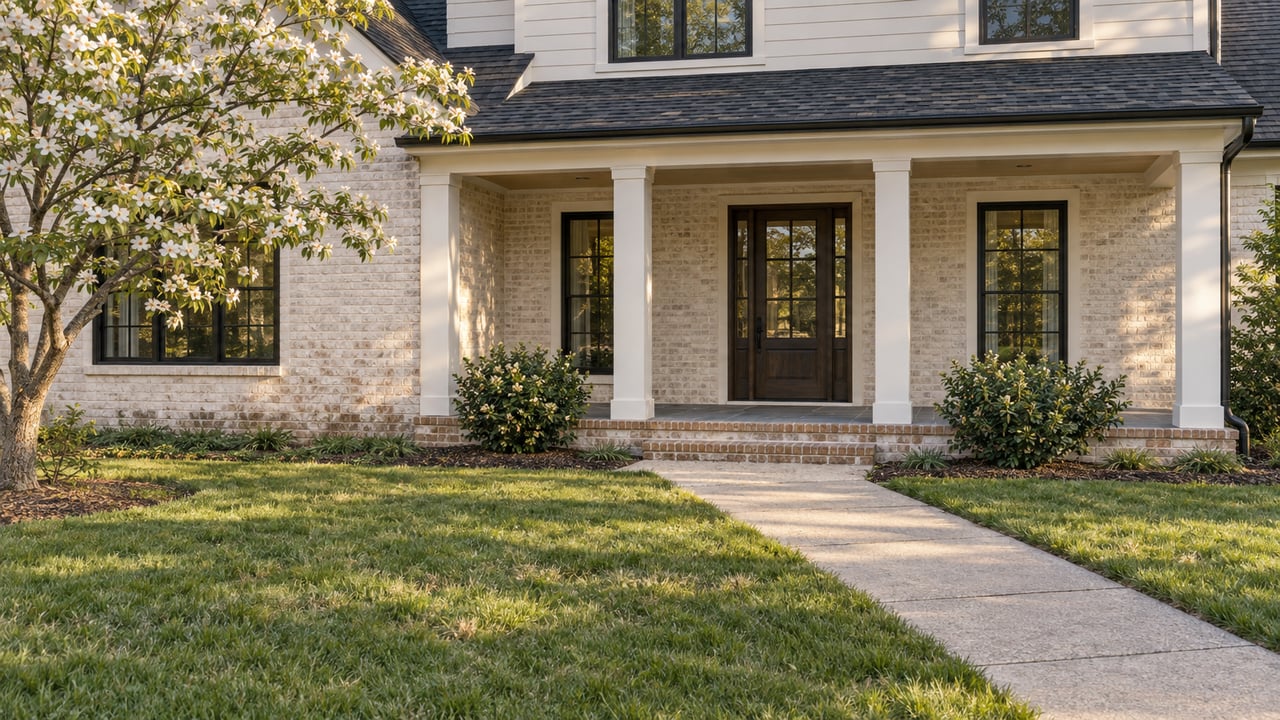
Wondering which part of Monroe might feel most like home? If you are weighing commute times, neighborhood character, and everyday convenience, Monroe gives you more variety than many buyers expect. From historic in-town streets to newer subdivisions and commuter-friendly corridors, this city offers several ways to match your home search to your lifestyle. Let’s dive in.
Why Monroe draws homebuyers
Monroe is the county seat of Union County and had an estimated 40,054 residents in 2024. That growth matters because it points to a city that is expanding while still keeping a distinct local identity. For many buyers, Monroe feels like a growing small city rather than just a pass-through suburb.
The housing picture also helps explain the appeal. Recent Census data shows an owner-occupied housing rate of 61.6%, a median owner-occupied home value of $309,100, and a median gross rent of $1,246. If you are comparing Monroe with other Charlotte-area options, those numbers help frame it as a market with a mix of ownership opportunities and continued residential demand.
The city itself highlights three major pieces of local life: downtown, the Highway 74 corridor, and the airport area. That gives you a useful starting point as a buyer because Monroe is not one-note. Your day-to-day experience can look very different depending on where you choose to live.
Monroe lifestyle by area
Downtown and in-town Monroe
If you want a more connected, in-town feel, downtown Monroe and nearby areas may stand out. The city describes downtown as a pedestrian-oriented district with retail, services, restaurants, entertainment, and upper-floor housing. That kind of mix can appeal if you like having local events and daily conveniences close by.
The city’s planning materials also point to a wider downtown area that includes the Downtown Core Area, Historic District, Winchester, Five Points Area, and Skyway Drive Corridor. While that is not a formal neighborhood ranking, it does suggest that several nearby areas share a more central, mixed-use identity. For buyers, that can mean a setting with more activity and a stronger connection to Monroe’s civic core.
Downtown also functions as more than a visitor area. The city notes nearly 350 on-street parking spaces and more than 1,000 public parking spaces in downtown lots. That level of access helps support a district that works as a real local gathering place.
Historic Monroe neighborhoods
If charm is high on your list, the South Monroe Historic District is one of the city’s most distinctive options. According to the city, the district reflects nearly 150 years of architectural and cultural evolution and includes more than 300 structures built before 1940. Many of these homes have also seen renewed private investment since 2015.
This area may appeal to you if you like established streetscapes, older homes, and a sense of history that is hard to recreate in newer construction. At the same time, it is important to go in with clear expectations. Exterior work in the district is governed by design standards and may require planning review or a Certificate of Appropriateness.
That does not make the district less attractive. It simply means the buying decision should include both lifestyle and maintenance considerations. If you are drawn to historic homes, understanding those rules early can help you shop with confidence.
Newer neighborhoods and attached housing
If you prefer newer homes, lower-maintenance living, or a more current layout, Monroe is actively adding housing options. The city’s active development pipeline includes projects such as Alexander Commons, Arborwood, Cottage Green, Riverstone, Secrest Landing, Sutton Place Townhomes, Sycamore Apartments, Willowbeck Hills, and Yardly.
That project list tells you something important about the market. Monroe is not limited to older in-town homes or traditional suburban subdivisions. You are also likely to find townhomes, apartments, and newer residential communities that offer a different style of living.
For some buyers, that flexibility is a big advantage. You may be able to choose between an established neighborhood with mature character and a newer community with modern floor plans and less upkeep.
Highway 74 and commuter-oriented areas
If commute logistics drive your search, Monroe’s regional access is one of its strongest selling points. The city sits about 25 miles southeast of Charlotte, and travel from Charlotte commonly routes through I-485 to Highway 74 East into Monroe. That makes Monroe a practical option for buyers who need access to the larger metro area.
The Monroe Expressway adds another layer of convenience. NCDOT identifies it as an all-electronic toll road extending from U.S. 74 near I-485 in Mecklenburg County to U.S. 74 between Wingate and Marshville in Union County. For buyers balancing home value, space, and commute needs, that regional connection can make Monroe easier to consider.
In general, areas tied more closely to Highway 74 may appeal most if your daily routine centers on getting in and out of town efficiently. That lifestyle can feel different from downtown living, where events, walkability, and civic spaces play a bigger role.
What daily life in Monroe can look like
Events and downtown energy
One of Monroe’s biggest lifestyle strengths is that its downtown has an active public calendar. Downtown Monroe is part of the North Carolina Main Street program, and the city highlights recurring events such as Music on Main, Car Cruise-Ins, Halloween Happenings, and Christmas on Main. If you enjoy a town with visible community activity, that matters.
The Dowd Center Theatre also adds to that sense of place. The city describes it as a restored 560-seat multi-purpose performing arts venue on South Main Street. For buyers, that means downtown Monroe is not just functional. It also offers built-in entertainment and community gathering spaces.
Parks and outdoor routines
If outdoor access matters in your home search, Monroe offers a solid mix of parks and greenways. The city says it provides five parks, all open from dawn until dusk, and names sites including Belk Tonawanda Park, Creft Park, Dickerson Park, Don Griffin Park, Parks Williams Athletic Complex, and Sunset Park.
Greenways are another plus for buyers who want room to walk, jog, or bike close to home. The Historic Downtown Monroe Greenway is a 1.5-mile loop, and the Bearskin Creek Greenway is a 1.1-mile asphalt trail. Together, they provide about 3 miles of greenway within the city.
The city also notes that the next phase of the Bearskin Greenway will connect Don Griffin Park to Creft Park. That kind of connection can improve how easily you move between recreation spaces and may add to the appeal of nearby neighborhoods.
Learning and travel convenience
Monroe also offers a few amenities that can shape everyday convenience in ways buyers may not expect. The Monroe Science Center provides a hands-on learning experience for children and adults. That adds another option for local activity beyond parks and downtown events.
The Charlotte-Monroe Executive Airport is another distinctive local asset. The city describes it as a full-service general aviation facility with a 7,000-foot runway and on-demand U.S. Customs and Border Protection service. For relocating professionals, business travelers, or buyers who value quick regional mobility, that can be a meaningful benefit.
How to choose the right Monroe neighborhood
The best Monroe neighborhood for you depends less on a single “best area” and more on how you live. A buyer who wants a historic home near downtown events will likely prioritize different features than someone who wants a newer home with easier regional access. Monroe works well because it gives you more than one path.
Here are a few smart ways to narrow your search:
- Choose your lifestyle first. Decide whether you want historic character, newer construction, downtown activity, or commuter convenience.
- Think about your weekly routine. Parks, greenways, shopping areas, and main travel routes can shape your day more than you expect.
- Match home style to maintenance comfort. Older homes may offer charm, while newer communities may offer simpler upkeep.
- Review area-specific rules. In historic districts, exterior changes may be subject to design standards and review.
- Look at growth patterns. Monroe’s active development pipeline suggests some areas may continue changing over time.
Monroe offers more than one kind of homebuying fit
For many buyers, Monroe stands out because it blends several lifestyles in one city. You can find a historic district with long-standing character, downtown-adjacent areas with a more connected feel, newer residential communities, and corridors that support a Charlotte-area commute. That range gives you room to prioritize what matters most to you.
Monroe is also still evolving. The city says a new Downtown Master Plan is in development for 2026 to guide development, investment, mobility, public spaces, and housing. If you are buying here now, you are not just choosing a home. You are also buying into a city that is actively planning its next chapter.
If you want help comparing Monroe neighborhoods, understanding commute tradeoffs, or finding the right mix of home style and lifestyle, connect with Jennifer DiBenedetto. You will get practical, local guidance tailored to how you want to live.
FAQs
What is the lifestyle difference between downtown Monroe and Highway 74 areas?
- Downtown Monroe offers a more pedestrian-oriented setting with events, restaurants, entertainment, and civic spaces, while Highway 74-oriented areas may appeal more to buyers focused on shopping access and regional commuting convenience.
What should homebuyers know about the South Monroe Historic District?
- The South Monroe Historic District includes more than 300 structures built before 1940, and exterior work may require planning review or a Certificate of Appropriateness under local design standards.
Are there newer home communities in Monroe, NC?
- Yes. The city’s development pipeline includes newer subdivisions, townhomes, apartments, and attached housing projects, giving buyers a wider range of home styles and maintenance levels.
How far is Monroe, NC from Charlotte?
- Monroe is roughly 25 miles southeast of Charlotte, with common regional access through I-485 and Highway 74 East.
What outdoor amenities are available for Monroe homebuyers?
- Monroe offers multiple parks and about 3 miles of greenway within the city, including the Historic Downtown Monroe Greenway and Bearskin Creek Greenway.
Is Monroe a growing housing market for buyers?
- Monroe’s population has grown in recent years, and the city’s active residential development pipeline shows continued housing expansion across several product types.