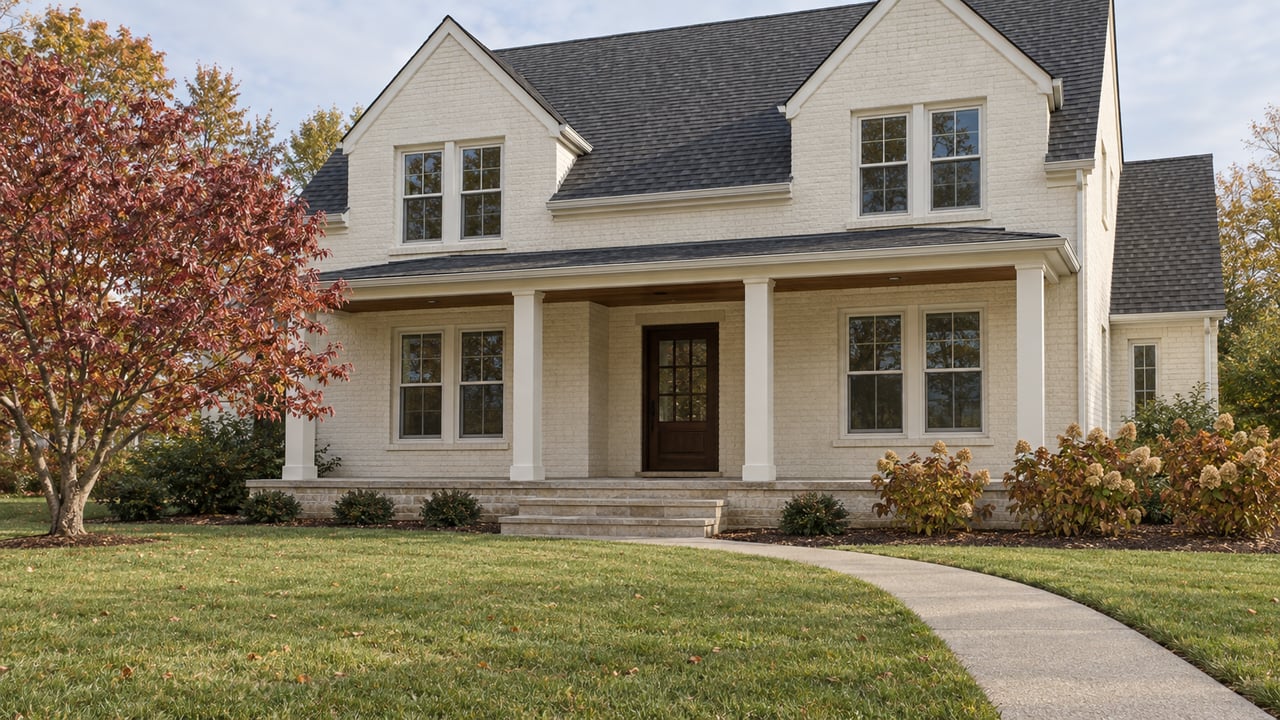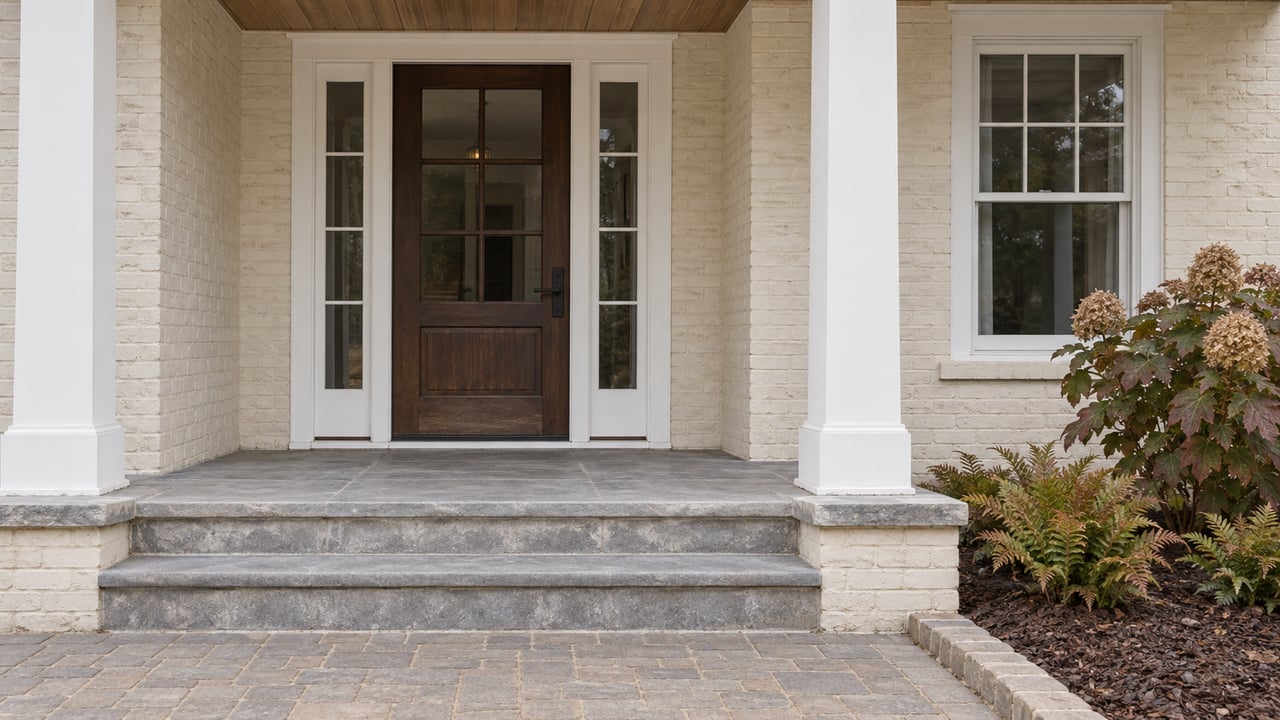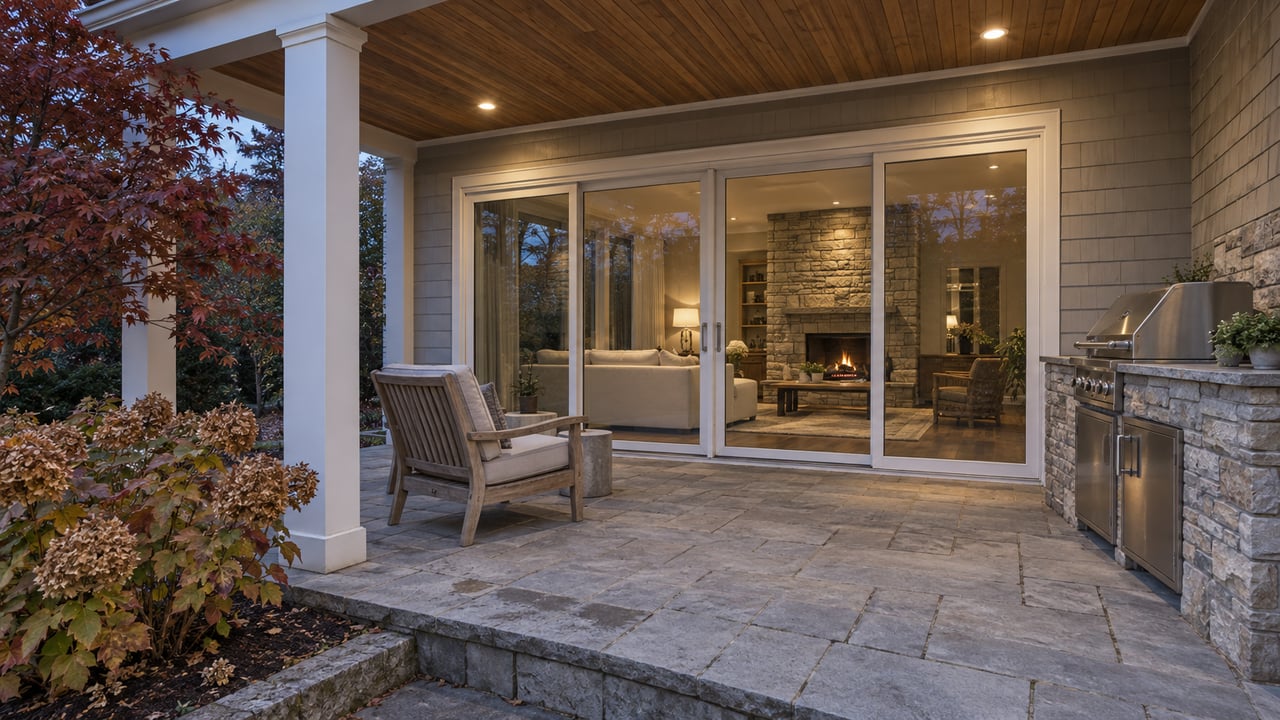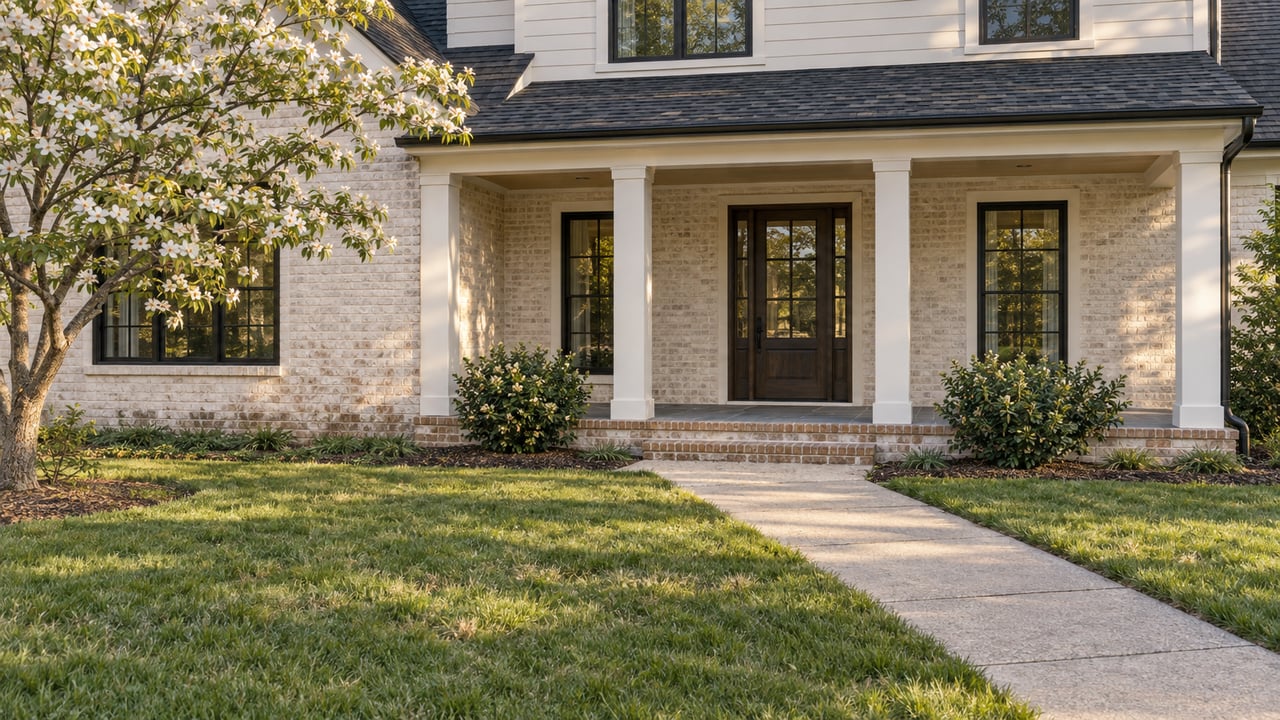
Thinking about buying in Fort Mill while your job is in Charlotte? You are not alone, and you are also right to look past a simple mileage count. For many buyers, the real question is how to balance commute, home style, budget, and cross-state details without getting surprised later. This guide will help you understand what to look for so you can shop with more clarity and confidence. Let’s dive in.
Why Fort Mill Appeals to Charlotte Buyers
Fort Mill sits just south of the North Carolina line, which makes it a natural option for Charlotte-area commuters. The town is connected to Charlotte by I-77, U.S. 21, and SC 160, and local planning documents identify I-77 as the highest-mobility corridor in the area.
That said, access is not the same as ease. Fort Mill’s current planning work notes that congestion is approaching or at capacity on I-77, U.S. 21, Springfield Parkway, SC 169, and Doby’s Bridge Road. In real life, that means your day-to-day commute can depend as much on your route and timing as on the actual distance to your office.
There is also a weekday CATS express route that runs along I-77 with stops at Baxter Village and Cabela’s Drive near Carowinds Boulevard. If you want flexibility in how you get to Charlotte, that transit option may be worth factoring into your home search.
Commute Strategy Matters More Than Miles
One of the biggest mistakes buyers make is assuming that a home farther north will always feel more convenient. In Fort Mill, a property’s position relative to I-77 and the main east-west connectors can shape your commute just as much as raw mileage.
If you work in Charlotte, you will want to compare homes based on how quickly you can reach major roads during your actual work hours. A house that looks close on a map may still feel inconvenient if you have to cross crowded connectors before you even get to I-77.
A practical way to evaluate this is to focus on three things first:
- Access to I-77, U.S. 21, or SC 160
- Your likely travel times in the morning and evening
- Whether a CATS express stop could be useful for your routine
This approach can save you from falling in love with a home that creates a harder commute than expected.
What Homes You Will Find in Fort Mill
Fort Mill offers more variety than many buyers expect. According to the town’s comprehensive plan, about 65% of active and approved housing is planned for single-family residential, while the remaining 35% includes townhomes, multifamily, and senior housing.
That mix gives you options. If you want a detached home with more space, you will find plenty of suburban single-family neighborhoods. If you prefer lower maintenance or a lower entry point, townhomes may open up more choices.
Fort Mill also has a smaller set of older in-town properties. In the downtown historic district, there are 17 buildings constructed between 1860 and 1940, with styles that include Italianate, Queen Anne, Victorian, Classical Revival, and Art Deco. So rather than one dominant housing type, you should expect a mix of newer suburban homes, attached housing, and a limited number of older character properties.
What Fort Mill Prices Look Like Right Now
If you are trying to set a realistic budget, current market snapshots help frame the conversation. Recent market pages show Fort Mill’s median sale price at $532,000 in March 2026, with homes selling after 86 days on market and a sale-to-list ratio of 98.5%.
For townhomes, current listings show 227 results with a median asking price of $375,000. Sample townhome listings range from about $265,000 to $425,000, which can make them an appealing option for buyers who want Fort Mill access at a lower price point than many detached homes.
For single-family homes, current examples appear at $495,000, $700,000, $770,000, $889,000, and $1,000,000. In practical terms, many detached-home searches in Fort Mill now begin in the high-$400,000s and extend into the $700,000s and above, with luxury properties priced higher.
Because these are live listing snapshots, they are not fixed price bands. Still, they provide a useful starting point if you are comparing Fort Mill with Charlotte or nearby suburbs.
Townhome or Single-Family Home?
For many Charlotte commuters, this is the first major fork in the road. The right choice often comes down to budget, maintenance preferences, and how long you plan to stay.
Here is a simple way to think about it:
| Home Type | What to Expect in Fort Mill |
|---|---|
| Townhome | More lower-priced entry options, attached living, and less exterior upkeep in many communities |
| Single-family home | More space and privacy in many cases, broader suburban inventory, and a higher typical starting price |
If commute convenience is your top priority, a townhome in a location with strong road access may be worth comparing against a larger detached home farther from your main route. If long-term space is more important, a single-family home may better match your goals.
Do Not Overlook Cross-State Tax Filing
If you live in Fort Mill and work in Charlotte, your home search crosses more than one state line. South Carolina notes that residents are taxed on all income, but the state also allows a credit for taxes paid to another state on the same wages. North Carolina requires nonresidents with North Carolina-source income to file a nonresident or part-year return.
In plain terms, many Fort Mill homeowners who work in Charlotte should expect to file in both states. That is not necessarily a reason to avoid the move, but it is a detail you should plan for early so there are no surprises at tax time.
Understand South Carolina Property Tax Basics
Property taxes are another area where local details matter. South Carolina says property taxes are administered by local governments, and a primary residence can be assessed at 4% of fair market value while a second home is assessed at 6%.
The county assessor approves the legal-residence classification. If you are buying Fort Mill as your primary home, it is important to understand what you need for that classification and to follow through after closing.
This is especially important for commuter buyers who may be moving from North Carolina or keeping another property for a period of time. A quick conversation early in the process can help you understand how occupancy plans may affect your tax picture.
School District Boundaries Are Address-Specific
If school assignment matters to your move, verify it before you write an offer. York County has four distinct nonpartisan school districts, including Fort Mill School District No. 4.
That means you should not assume every Fort Mill mailing address is assigned the same way. School boundary confirmation is tied to the specific property address, so this is one of those details to check early rather than after you have committed emotionally to a home.
How the South Carolina Buying Process Differs
If you are used to North Carolina transactions, one major difference is the closing process. In South Carolina, residential closings are attorney-supervised.
The South Carolina Bar states that each phase of a real estate transaction, including the closing and recording of documents, is treated as the practice of law and must be supervised by a licensed South Carolina attorney. For buyers, this means it is smart to bring your lender, closing attorney, and buyer’s agent into the conversation early.
That early coordination helps title work, financing, and closing timing move together. It is a simple step, but it can make a cross-border purchase feel much smoother.
Where Charlotte Commuters Often Start Touring
Fort Mill gives you several areas to compare, depending on your priorities. Local planning documents identify Downtown Fort Mill and Kingsley as mixed-use centers, while current listing sites show buyers frequently browsing Baxter, Massey, Waterside at the Catawba, Brayden, and East Tega Cay.
The best touring plan is not to chase finishes first. Instead, compare these areas based on:
- Commute access
- School boundary for the specific address
- New-build versus resale options
- Price point relative to your comfort zone
Once those basics line up, you can evaluate style, updates, and cosmetic details. This order usually leads to better decisions because it keeps the big-picture factors in front of you.
A Smart Search Plan for Fort Mill
If you work in Charlotte and want to buy in Fort Mill, your search will go more smoothly if you stay practical from the start. Begin with your real-world commute needs, then define your likely budget, then narrow by housing type and location.
A strong plan usually looks like this:
- Identify your true commute tolerance on workdays.
- Decide whether a townhome or detached home fits your budget and lifestyle better.
- Confirm school assignment by address if that matters to your household.
- Plan ahead for South Carolina legal-residence classification and two-state tax filing expectations.
- Build your team early so financing and attorney-supervised closing steps stay on track.
When you approach Fort Mill this way, you can focus on homes that fit your daily life, not just homes that look good online.
Fort Mill can be a strong fit if you want access to Charlotte, a range of housing choices, and a suburban setting with several established commuter routes. The key is making your decision with local context in mind, especially when it comes to roads, pricing, taxes, school boundaries, and the South Carolina closing process.
If you want help comparing Fort Mill options through the lens of your Charlotte commute, Jennifer DiBenedetto can help you build a focused search and navigate the cross-state details with confidence.
FAQs
What should Charlotte workers know about commuting from Fort Mill?
- Fort Mill connects to Charlotte through I-77, U.S. 21, and SC 160, but congestion is approaching or at capacity on several major roads, so route access and travel time matter as much as distance.
What price range should buyers expect for Fort Mill homes?
- Recent market snapshots show a median sale price of $532,000, with townhomes often listed from about $265,000 to $425,000 and many detached homes starting in the high-$400,000s and extending into the $700,000s and above.
What should buyers know about Fort Mill property taxes?
- South Carolina says a primary residence can be assessed at 4% of fair market value, while a second home can be assessed at 6%, and the county assessor approves legal-residence classification.
What tax filing issues apply when living in Fort Mill and working in Charlotte?
- South Carolina residents are taxed on all income and may claim a credit for taxes paid to another state on the same wages, while North Carolina requires nonresidents with North Carolina-source income to file a nonresident or part-year return.
What is different about buying a home in Fort Mill, South Carolina?
- South Carolina residential closings are attorney-supervised, so it helps to involve your lender, closing attorney, and buyer’s agent early in the process.
What should buyers know about school boundaries in Fort Mill?
- York County has four separate school districts, including Fort Mill School District No. 4, and assignment is address-specific, so you should confirm the school boundary for any home you are considering.