Thinking about buying in Indian Land and torn between a brand-new home and a resale? You are not alone. In a fast-growing part of Lancaster County, both options can make sense, but the right choice depends on how you want to live, how soon you need to move, and how much uncertainty you can tolerate. This guide will help you compare new construction and resale in Indian Land, SC so you can make a confident decision. Let’s dive in.
Why This Decision Matters in Indian Land
Indian Land sits in one of the faster-growing parts of Lancaster County. County data show Lancaster County grew from 96,016 residents in the 2020 Census to an estimated 114,296 in 2025, and the county recorded 1,110 building permits in 2025.
That growth helps explain why you will find both active new-home communities and a meaningful resale market here. Current market data also suggest Indian Land is active, but not extremely tight. Depending on the source, there are roughly 340 to 415 homes for sale, median pricing is around the low-to-mid $500,000s, and homes are going pending or selling in about 32 to 48 days.
For you as a buyer, that means this is not a one-path market. You may have room to compare options carefully, negotiate in some situations, and choose based on your priorities rather than rushing into the first available home.
New Construction in Indian Land
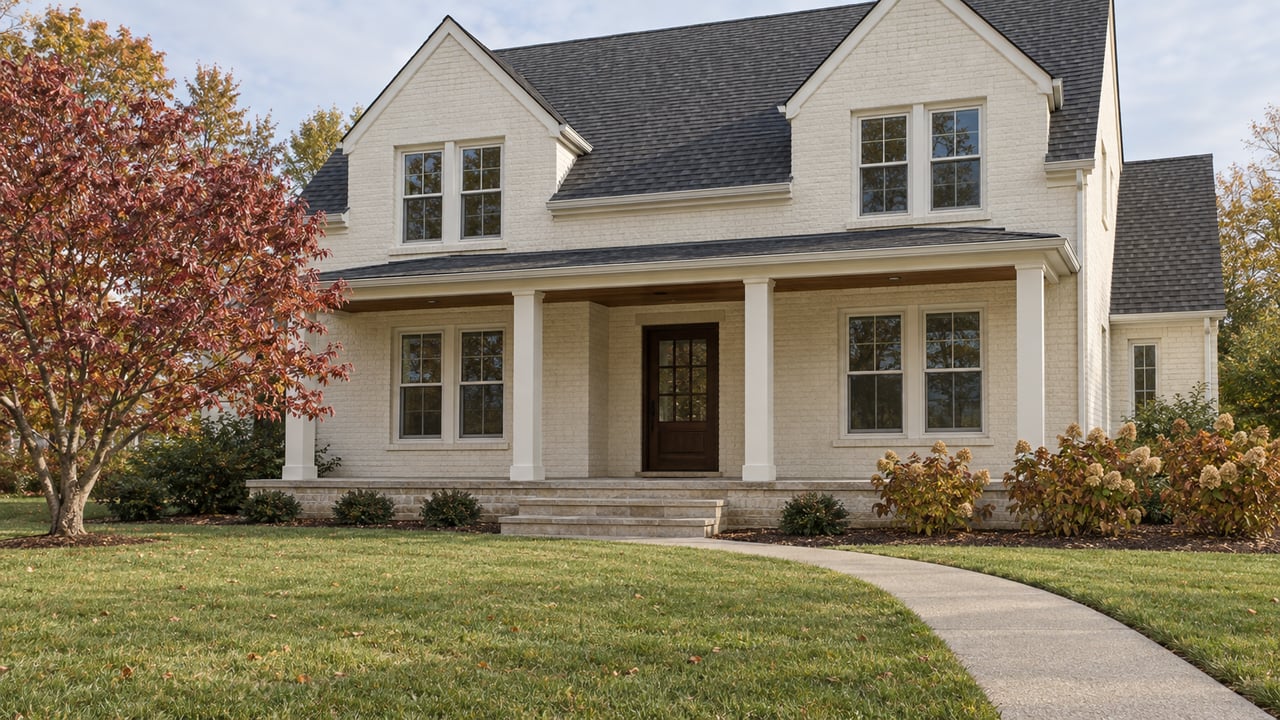
New construction in Indian Land can be appealing if you want a home that feels fresh, current, and more personalized to your taste. Active new-home inventory in ZIP code 29707 includes homes labeled as new construction or built in 2026, with examples ranging from the high $300,000s into the mid $700,000s.
That range gives many buyers options across different price points and home styles. Still, buying new construction is usually a more layered process than buying a resale home. You are not just choosing a property. You may also be choosing a lot, floor plan, design finishes, timeline, and builder terms.
What Buyers Often Like About New Construction
Many buyers lean toward new construction for a few practical reasons:
- More current floor plans and finishes
- Newer systems and materials
- Potential customization, depending on build stage
- Warranty coverage that may reduce some early repair costs
Builder warranty coverage is one of the biggest draws. Federal Trade Commission guidance says new-home builder warranties often cover workmanship and materials for many items for one year, HVAC, plumbing, and electrical systems for two years, and major structural defects for up to 10 years.
That said, warranties are not all-inclusive. They generally do not cover appliances or moving and lodging costs during repairs. This is why it is important to ask for the warranty details in writing and review what is covered, what is excluded, and how claims are handled.
What to Watch for With New Construction
The tradeoff with new construction is usually time and complexity. If the home is not finished yet, you may need to wait longer to move in, and the contract may be more builder-specific than a standard resale purchase.
The Consumer Financial Protection Bureau notes that a builder may ask for earnest money and may have an affiliated lender, but you do not have to use that lender. That can matter if you want to compare financing options and make sure you are choosing the loan terms that best fit your goals.
You should also ask whether the builder deposit is refundable and under what conditions. If your plans change, that detail can become very important.
Does a Brand-New Home Still Need Inspections?
Yes, many buyers still choose inspections on new construction. Guidance in the research suggests phase inspections can be useful during construction, including after the foundation is poured and before walls are sealed.
Even with a new home, inspections can help you identify issues before closing or before the next stage of work begins. A brand-new home can still have installation errors, incomplete items, or workmanship concerns that are easier to address early.
Resale Homes in Indian Land
Resale homes offer a different kind of value. If your main goals are moving sooner, seeing exactly what you are buying, and negotiating based on the home’s current condition, resale may feel more straightforward.
In Indian Land, resale can also be appealing because the area already has an established feel in many parts. Lancaster County School District lists Indian Land Elementary, Indian Land Intermediate, Indian Land Middle, and Indian Land High, and the Indian Land High profile says its main building was built in 2021. For buyers comparing areas, that points to an existing public-school network rather than a brand-new area still taking shape.
What Buyers Often Like About Resale
Resale homes often appeal to buyers who want:
- Faster move-in timing
- An established lot or streetscape
- The ability to inspect the actual home condition upfront
- More direct negotiation around repairs or price
This can be especially helpful if you have a tighter timeline due to relocation, a lease ending, or a home sale in another market. Instead of waiting through a build schedule, you can focus on homes that are already complete.
Why Inspections Matter in Resale
For resale homes, inspections are one of your strongest tools. The Consumer Financial Protection Bureau recommends making the purchase contract contingent on financing and a satisfactory inspection. If the inspection reveals serious flaws and the contingency applies, you can cancel without penalty.
Inspection findings can also support negotiation. Issues involving structure, HVAC, plumbing, electrical, or drainage may become repair requests, credits, or pricing discussions depending on the situation.
Is There Negotiation Room in Indian Land Resale?
In many cases, yes. Realtor.com data show homes in Indian Land selling about 1.25% below asking on average, with a median 48 days on market.
That does not mean every seller will negotiate the same way, but it does suggest there may be room for discussion in many resale transactions. If you value certainty and want to evaluate the home’s condition before making a final decision, that can be a real advantage.
New Construction vs Resale: How To Compare
If you are deciding between the two, it helps to focus less on which option is "better" and more on which option fits your priorities.
| Priority | New Construction | Resale |
|---|---|---|
| Move-in speed | Often slower if still being built | Often faster |
| Customization | Usually stronger | Usually limited |
| Warranty coverage | Often included | Typically limited or none |
| Condition visibility | May depend on build stage | You can inspect current condition |
| Negotiation style | Often contract and incentive focused | Often price, repairs, or credits |
| Established setting | May be in a newer section | Often more established |
For many buyers, the clearest question is this: do you want personalization and newer systems enough to accept a longer, more detailed process? Or do you want speed, predictability, and inspection leverage more than a brand-new finish package?
Local Cost Factors To Review
In Indian Land, taxes are worth reviewing no matter which path you choose. Lancaster County says primary residences are assessed at 4% of taxable value rather than 6%.
The county auditor’s 2025 millage sheet also says the legal-residence exemption removes School Operation Millage of 176.0 from residential property. For buyers planning to live in the home as a primary residence, that can make the tax treatment an important part of your decision.
This is not just a new-construction question or a resale question. It applies across both, especially if you are comparing monthly payment scenarios or relocating from another state.
Insurance and Site Questions You Should Ask
Indian Land’s growth has created some practical questions that buyers should not ignore. Lancaster County says increased growth has also increased runoff concerns, and the county’s stormwater program monitors new construction sites.
That does not mean every home has the same risk. It does mean you should ask smart questions about drainage, stormwater patterns, and insurance costs, especially in a fast-developing area.
Before you commit, consider asking:
- What are the estimated homeowners insurance costs?
- Has the property had any drainage or runoff issues?
- For a new build, what site work is still underway nearby?
- For a resale, are there any known water-intrusion or grading concerns?
Informal insurance estimates can be helpful early in the process, especially when you are comparing multiple homes.
Questions To Ask Before You Decide
Whether you are leaning new construction or resale, a few questions can help you get clear fast.
If You Are Leaning New Construction
Ask yourself:
- How long am I comfortable waiting to move?
- Do I want to choose finishes or would I rather keep it simple?
- Have I reviewed the builder’s deposit terms carefully?
- Do I understand the warranty coverage and exclusions?
- Will I plan for independent inspections during the build?
If You Are Leaning Resale
Ask yourself:
- How important is a faster closing timeline?
- Am I comfortable with older systems if the inspection checks out?
- Do I want more room to negotiate over repairs or price?
- Would I prefer seeing the exact lot, layout, and condition before deciding?
- Have I built financing and inspection contingencies into my offer strategy?
A Simple Way To Choose
If you prioritize personalization, newer systems, and warranty-backed coverage, new construction may be the better fit. If you prioritize speed, the ability to inspect what already exists, and possible negotiation room, resale may be the better path.
In Indian Land, both can be smart choices. The key is matching the type of home to your timeline, budget, risk tolerance, and day-to-day lifestyle.
If you want help comparing new construction communities against resale options in Indian Land, Jennifer DiBenedetto can help you evaluate timing, pricing, contracts, and neighborhood fit so you can move forward with confidence.
FAQs
Should you buy new construction or resale in Indian Land, SC?
- The right choice depends on your priorities. New construction often fits buyers who want customization, newer systems, and warranty coverage, while resale often fits buyers who want a faster move, established surroundings, and the ability to inspect and negotiate on the home’s current condition.
Do brand-new homes in Indian Land still need inspections?
- Yes. Buyers often choose inspections for new construction, including phase inspections during the build, to catch workmanship issues or incomplete items before closing or before the next construction stage.
Can you negotiate on resale homes in Indian Land, SC?
- In many cases, yes. Current market data show homes selling about 1.25% below asking on average, which suggests some resale sellers may have room to negotiate on price, repairs, or credits.
What should you ask a builder before buying new construction in Indian Land?
- Ask whether the deposit is refundable, what the warranty covers and excludes, whether you must use an affiliated lender, what the build timeline looks like, and whether you can schedule independent inspections during construction.
How do primary residence taxes work in Lancaster County, SC?
- Lancaster County says primary residences are assessed at 4% of taxable value rather than 6%, and the legal-residence exemption removes School Operation Millage of 176.0 from residential property. For many buyers, that makes owner-occupant tax treatment an important part of the monthly cost picture.
Why does stormwater and drainage matter when buying in Indian Land?
- Lancaster County says growth in the Indian Land area has increased runoff concerns, so buyers should ask about drainage, site conditions, and insurance costs when comparing both new construction and resale homes.