Are you thinking about selling your Matthews home but not sure where to start? That feeling is normal, especially in a market where strong presentation and smart pricing can make a real difference. If you want to list with less stress and more clarity, this step-by-step plan will help you understand what matters most before your home goes live. Let’s dive in.
Understand the Matthews market
Matthews remains active, but it is not a market where every home sells instantly. Recent local data show median sale prices in the upper $400,000s, with homes selling in about 49 days on average. Some homes move faster, but pricing and presentation appear to play a big role in whether a seller gets close to list price or ends up making a price adjustment.
That is why your first goal should be to launch strong. In Matthews, homes are selling at about 99.6% of list price on average, but price drops are also part of the picture. A well-prepared listing gives you a better shot at attracting attention early, when buyers are most likely to notice your home.
Start with documents first
Before photos, staging, or showings, begin with paperwork. In North Carolina, sellers of residential properties with one to four dwelling units must provide a Residential Property Disclosure Statement. This form covers known issues involving items such as the roof, structure, plumbing, electrical systems, heating and cooling, water supply, sewage system, insects, zoning, encroachments, and environmental contamination.
North Carolina also requires a separate mineral and oil and gas rights disclosure. If your home is part of an HOA or subject to mandatory covenants, you will also need an owners’ association and mandatory covenants disclosure statement. That form includes details like dues, special assessments, transfer fees, association contact information, and certain legal or financial matters involving the association.
These disclosures are not something to save for later. Under North Carolina law, they must be delivered no later than the time a buyer makes an offer. If they are not delivered on time, a buyer may have the right to cancel the contract.
Step 1: Walk your home like a buyer
Once you know which disclosures apply, walk through your home with fresh eyes. Make note of anything you already know needs attention, whether that is a roof leak, a sticky window, worn flooring, or an HVAC issue. This helps you decide what to repair before listing and what you may need to disclose.
The goal is not perfection. The goal is clarity. When you identify issues early, you can make informed decisions instead of reacting under pressure after your home hits the market.
Step 2: Gather HOA and cost details
If your Matthews home is in a planned community, collect HOA information as early as possible. You will want to confirm dues, any pending special assessments, transfer fees, and the association’s contact details. Having this ready upfront makes the listing process smoother and supports accurate disclosures.
This is also a good time to review likely selling costs. In Mecklenburg County, the property tax rate is 49.27 cents per $100 of assessed value, and some bills may also include a municipal tax and solid-waste fee if applicable. North Carolina also charges an excise tax on conveyances of $1 per $500 of consideration or value, which the transferor must pay before the deed is recorded.
Step 3: Build a pricing strategy
Pricing is one of the most important decisions you will make. A local comparative market analysis should use similar recently sold homes to estimate a probable sales price. It is best to think of this as a market-positioning tool, not an appraisal.
In a market like Matthews, where some homes sell above list price and others require reductions, the right list price can shape your entire outcome. Pricing too high may slow early interest. Pricing based on current comparable sales and buyer expectations can help you attract stronger activity during those first critical days.
Step 4: Focus on high-impact prep
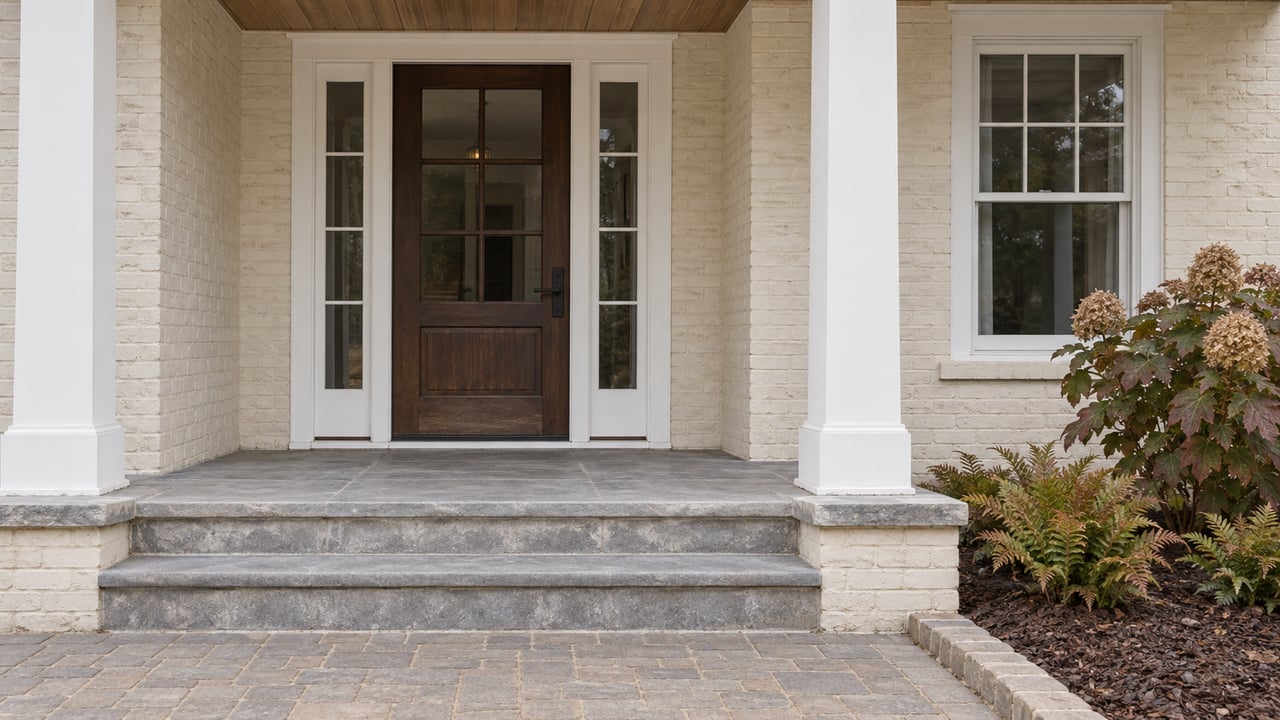
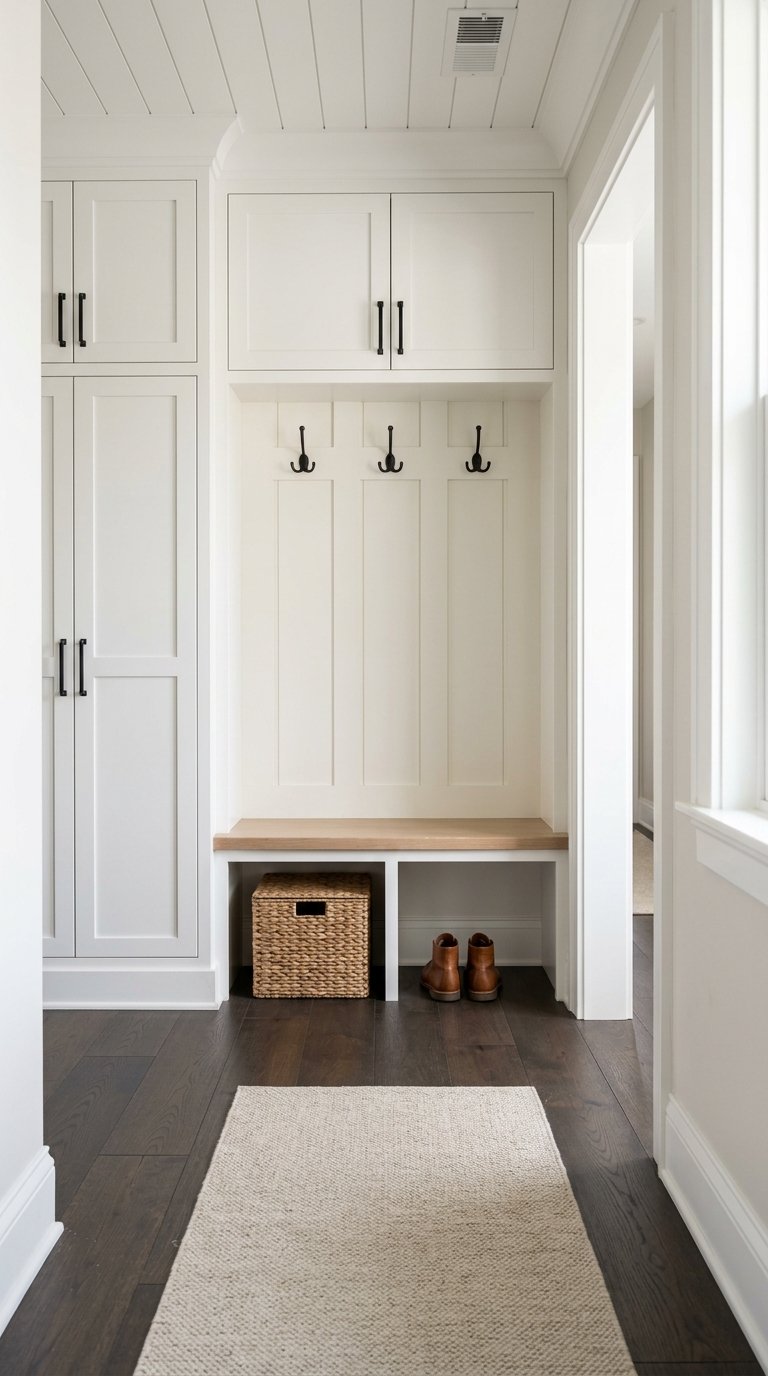
You do not need to renovate every room before selling. In most cases, the best return comes from targeted improvements that make your home feel clean, well cared for, and easy to picture living in. The most common seller prep recommendations include decluttering, deep cleaning, and improving curb appeal.
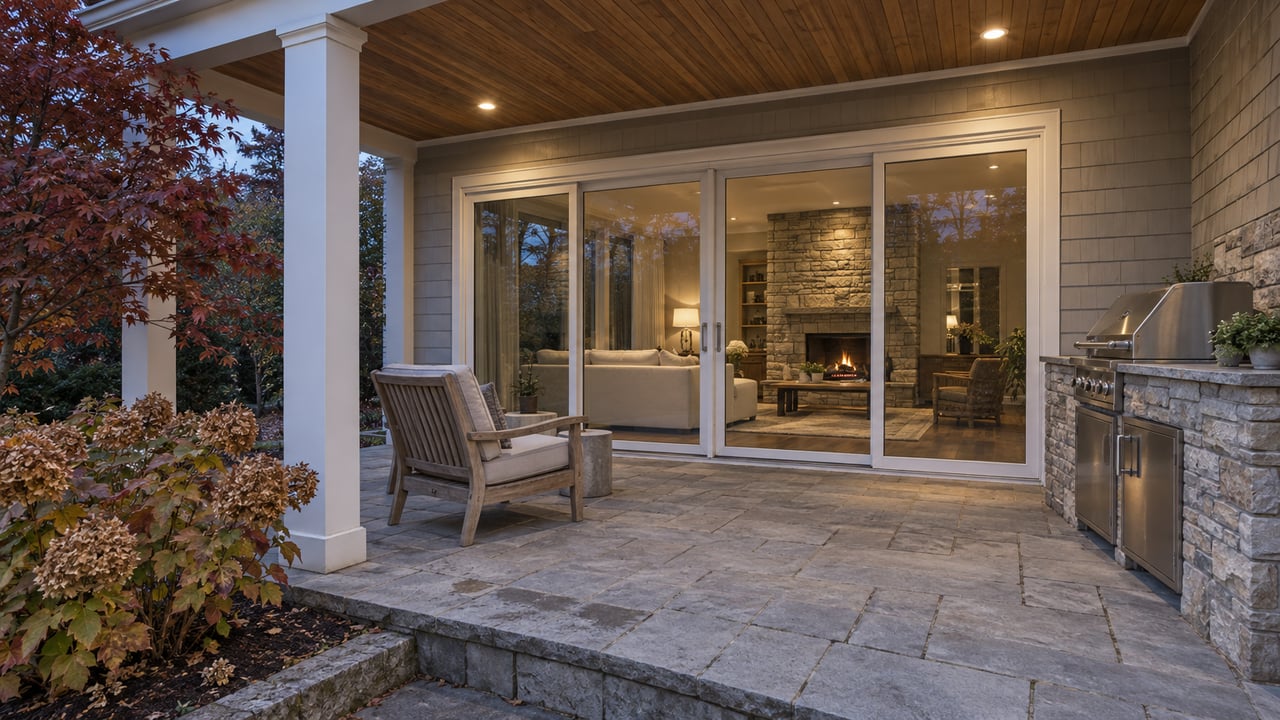
If you are deciding where to spend time and money, focus on the spaces buyers notice first. Industry research points to the living room, primary bedroom, dining room, and kitchen as the rooms most often staged. Those are often the areas where thoughtful updates and styling have the biggest visual impact.
Step 5: Consider staging strategically
Staging can help buyers connect with your home faster. Recent research found that 83% of buyers’ agents said staging made it easier for buyers to visualize a home as a future residence. Sellers’ agents also reported that staging can reduce time on market, and some saw offered values increase by 1% to 10%.
That does not mean you need a full-house makeover. A targeted staging plan may be enough, especially when paired with decluttering and strong photography. With a reported median staging-service cost of $1,500, many sellers find that staging works best as a focused investment rather than a major pre-sale project.
Step 6: Treat photography as essential
Most buyers start online, which means your photos do a lot of the first showing for you. Research shows that 81% of buyers rate listing photos as the most useful feature in their home search, and more than half found the home they purchased online. That makes professional photography a core part of your launch, not an optional extra.
The first image matters, and so does the order of the photos that follow. Your listing should tell a clear visual story, starting with the strongest exterior or interior view and then guiding buyers through the home in a way that feels natural and inviting.
Step 7: Go live only when ready
One of the biggest mistakes sellers make is listing before everything is in place. In Matthews, where homes can sell close to list price but may also face price reductions, a rushed launch can weaken your momentum. The first few days online carry extra weight, so it is worth waiting until your pricing, disclosures, photos, and marketing materials are ready.
A clean launch plan usually looks like this:
- Finish key repairs or prepare to disclose known issues
- Complete required North Carolina disclosure forms
- Gather HOA details if applicable
- Declutter, clean, and stage priority rooms
- Order professional photography
- Finalize listing copy and pricing
- Go live with a coordinated marketing push
Step 8: Prepare for offers in advance
If your home attracts more than one offer, North Carolina brokers must present all offers to the seller as soon as possible, but no later than three days after receipt. That means it helps to know your priorities before offers start coming in. Price matters, but it is not the only factor.
You may also care about financing strength, closing timeline, repair flexibility, or fewer contingencies. By deciding in advance what matters most to you, you can respond with more confidence and less stress when the offers arrive.
Why confidence comes from preparation
A confident listing is not about guessing. It is about putting the right pieces in place before buyers ever walk through the door or scroll past your photos online. In Matthews, that means accurate pricing, polished presentation, and complete disclosures from the start.
When you take a step-by-step approach, you give yourself more control over the process. You also make it easier for buyers to say yes, because your home feels clear, credible, and ready.
If you are getting ready to sell in Matthews, working with an advisor who understands local pricing, timing, presentation, and North Carolina requirements can make the process feel much more manageable. For personalized guidance and full-service listing support, connect with Jennifer DiBenedetto.
FAQs
What is the average time to sell a home in Matthews, NC?
- Recent local data show homes in Matthews selling in about 49 days on average, though some hot homes can go pending much faster.
What disclosures do Matthews, NC home sellers need?
- North Carolina sellers generally need a Residential Property Disclosure Statement, a mineral and oil and gas rights disclosure, and an HOA or mandatory covenants disclosure if the property is subject to an association or similar rules.
Should you stage every room before listing a Matthews home?
- No. The highest-impact rooms are usually the living room, primary bedroom, dining room, and kitchen.
How should you price a home in Matthews, NC?
- Your pricing strategy should be based on a local comparative market analysis using similar recently sold homes to estimate a probable sales price.
What selling costs should Matthews, NC homeowners plan for?
- Common planning items include standard closing costs, HOA-related fees if applicable, Mecklenburg County property tax context, and North Carolina’s excise tax of $1 per $500 of consideration or value.