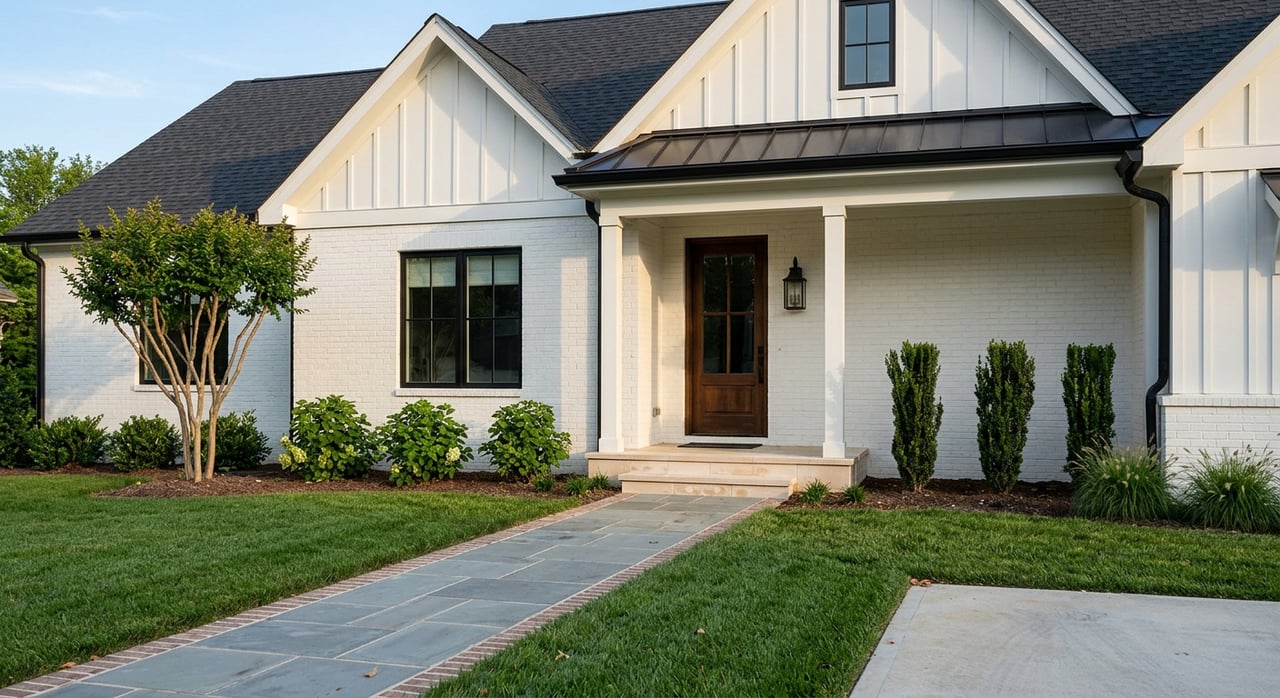
Thinking about buying a bigger home before you sell your current one? In Charlotte’s suburbs, that decision can affect your timing, your budget, and your stress level more than almost anything else. If you are planning a move-up sale in areas like Matthews or other Mecklenburg County suburbs, it helps to understand today’s market, your options for sequencing the sale and purchase, and the local costs that can shape your next step. Let’s dive in.
Charlotte suburb market conditions
If you are moving up in Charlotte’s suburban market, you are not selling into the ultra-tight conditions of the past few years. In April 2026, the Charlotte region had about 11,800 homes for sale, or 3.2 months of supply, according to Canopy MLS. Mecklenburg County was slightly tighter at 3.1 months of supply, with a median sales price of $475,000 and 47 days on market.
That still points to a market that favors sellers more than a balanced market would, but buyers have more choices now. Sellers in the region received 95.9% of original list price on average, which shows that strong pricing matters. For move-up sellers, this means a well-prepared suburban home can still attract solid interest, especially if it is priced realistically from the start.
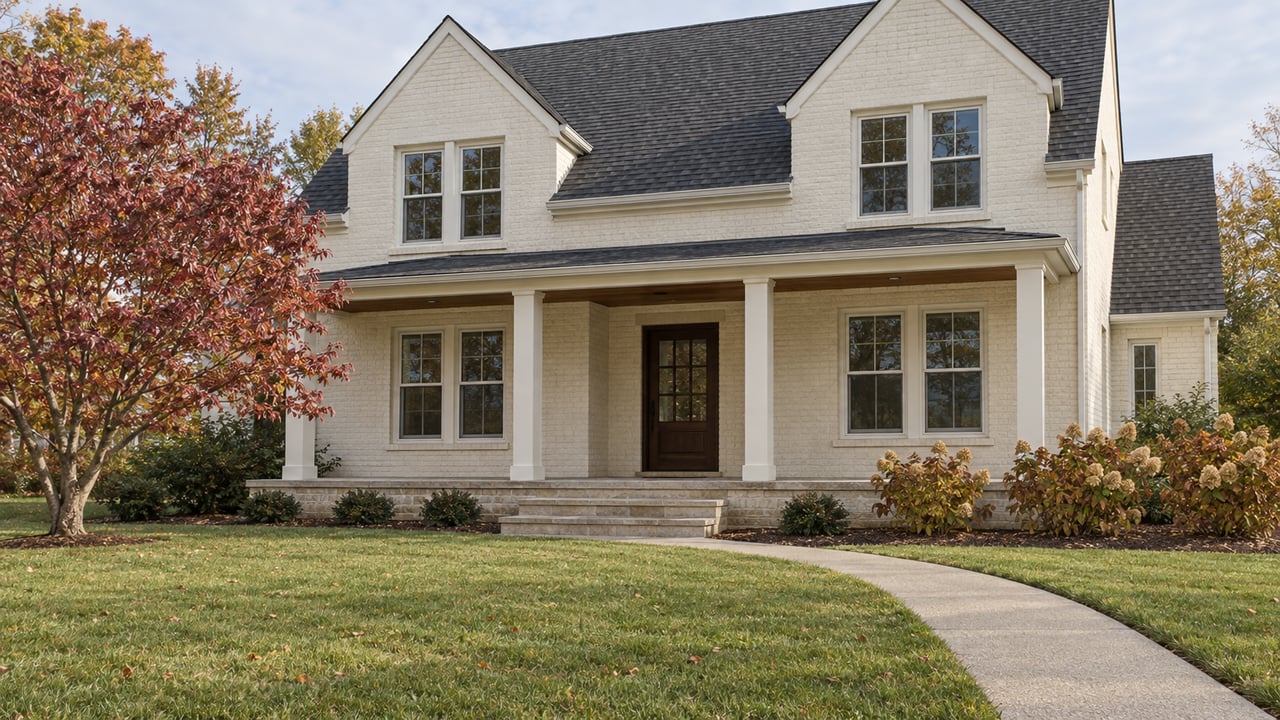
Buyer activity has been strongest in mid- to higher-priced homes, especially above $450,000. Canopy MLS also reported strong showing activity in places like Matthews, Waxhaw, Concord, and the City of Charlotte. If your current home is a detached suburban property, presentation and pricing can help you stand out while also leaving room for the kind of negotiation that is more common in a normalizing market.
Choose the right move-up strategy
One of the biggest questions in a move-up sale is simple: should you sell first or buy first? The right answer depends on your finances, your flexibility, and how much risk you are comfortable carrying. In most cases, your decision should be driven by cash flow and timing, not just by the home you hope to buy next.
Sell first
Selling first gives you the clearest picture of your budget. You know your net proceeds, you avoid carrying two homes for too long, and you can shop for your next home with more confidence. This path often works well if you want to keep risk low and make sure your next purchase is based on real numbers, not estimates.
The tradeoff is timing. You may need temporary housing, storage, or a short-term plan if your current home closes before your next purchase is ready. If you choose this route, it helps to start planning the logistics early so the transition feels manageable.
Buy first
Buying first can feel more comfortable because you can move once and avoid the pressure of finding a home fast. This option may work if you have enough savings or financing flexibility to handle overlap. It can also make sense if you are searching in a very specific suburban area and want time to be selective.
The downside is financial pressure. You could temporarily carry two mortgage payments, along with taxes, insurance, utilities, and moving costs. In Mecklenburg County, budgeting carefully matters because property tax bills can include the county tax rate, municipal tax, and a solid-waste fee.
Use contingencies or contract terms
Some move-up sellers use contract terms to bridge the gap between selling and buying. A home-sale contingency can give you time to sell your current home before closing on the next one. A home-close contingency can allow your current sale to finish before your purchase moves forward.
These tools can reduce risk, but they need clear deadlines and clear terms. If a contingency is not met within the stated period, the parties can usually cancel under the contract terms. That is why timing deserves just as much attention as price.
If you accept a contingent offer on your current home, the property can often still be shown to other buyers. A kick-out clause may let you accept a better offer if the first buyer cannot perform. In the right situation, that can protect your flexibility while still keeping your sale moving.
Consider a rent-back if you need time
A rent-back clause can be helpful if you sell your current home but need a few extra days or weeks before moving out. This arrangement allows you to stay in the home after closing for a defined period. It can be useful when your sale closes before your next home is ready.
The details matter. The agreement should clearly spell out the rental amount, how long you can stay, and your final move-out date. If you are building a move-up plan around a rent-back, make sure those terms are settled early so there are no surprises near closing.
Price your current home with real data
It is tempting to start with an instant online value and treat that number as your list price. A better approach is to use an automated valuation as a starting point, then compare it with current market activity and recent comparable sales. Automated valuation models use data points like square footage, bedroom and bathroom count, tax assessments, and recent sales, but they are still estimates.
Different valuation methods can produce different numbers because they rely on different timing, comparable properties, and purposes. A lender may use an automated value early in the process and later require a full appraisal. For a move-up seller, that means your pricing strategy should be grounded in local market evidence, not just one online estimate.
In Charlotte’s suburban market, overpricing can cost you valuable time. With buyers having more options than they had during the tightest years, a home that misses the market on price may sit longer and invite heavier negotiation. A smart pricing plan gives you the best chance to attract attention early and protect your net proceeds.
Prepare your home before listing
A move-up sale works best when you prepare early. In North Carolina, sellers of most residential one- to four-unit properties must provide the Residential Property and Owners’ Association Disclosure Statement and the Mineral and Oil and Gas Mandatory Disclosure Statement before an offer is made. That means it is wise to gather documents, records, and property details before your home hits the market.
You should also organize repair records, maintenance history, and notes about any known issues. North Carolina guidance warns that sellers may be liable for knowingly withholding or misrepresenting latent defects. Early preparation can help you answer buyer questions clearly and keep your sale on track.
From a presentation standpoint, your goal is simple: help buyers see the home’s condition and value quickly. Clean finishes, completed touch-ups, and a well-organized plan for showings can make a meaningful difference, especially in suburban price points where buyers may be comparing several options in the same week.
Protect your budget for the next purchase
When you are moving up, your current home is often helping fund the next one. That is why a conservative net sheet matters. In addition to mortgage payoff and normal closing costs, North Carolina charges a conveyance tax of $1.00 on each $500 of consideration or fractional part, paid by the transferor before the deed is recorded.
Mecklenburg County also records real property instruments through the Register of Deeds, and your tax picture may include county, municipal, and solid-waste charges. These local costs are not always top of mind when you first start planning, but they matter when you are calculating how much cash you will actually have available for your next purchase.
If your finances are tight, build in cushion. A move-up plan is usually smoother when you assume a little overlap, a few extra moving expenses, and some room for negotiation on either side of the transaction. Conservative planning can help you move with confidence instead of feeling squeezed at the finish line.
Know what happens if an appraisal is low
A low appraisal on the home you are buying can create a last-minute challenge, especially if you are counting on a specific purchase price and payment. If the appraisal comes in below the sale price, one option is to get a copy of the appraisal and review it carefully. From there, you may consider asking the seller to reduce the price or, depending on the contract terms, canceling the sale.
This matters for move-up buyers because a low appraisal can affect how much cash you need to bring to closing. If your sale proceeds are already committed to the next purchase, an appraisal gap can throw off your numbers. Planning ahead for that possibility can help you avoid rushed decisions.
Plan your closing logistics early
The final stretch of a move-up sale is about coordination. You will want to review your Closing Disclosure during the required three-business-day window, confirm repairs or agreed items, and line up your moving timeline. You should also plan utility transfers, address changes, and any temporary housing needs before closing day arrives.
Even when the big decisions are done, small details can create stress if they are left too late. A staggered move date, a short overlap period, or a temporary storage plan can make the transition much easier. The more you prepare upfront, the smoother your move from one home to the next can feel.
A move-up sale in Charlotte’s suburbs does not have to be overwhelming. With the right pricing strategy, a realistic timeline, and thoughtful contract planning, you can protect your proceeds and make smarter decisions about your next home. If you are thinking about your next step in Mecklenburg County or the surrounding Charlotte suburbs, Jennifer DiBenedetto can help you build a practical plan that fits your timing and goals.
FAQs
Should I list my current home before shopping for my next home in Charlotte’s suburbs?
- In many cases, listing first gives you a clearer budget and reduces the risk of carrying two homes, but the best approach depends on your savings, financing, and timing needs.
Is it better to sell first or buy first for a move-up home in Mecklenburg County?
- Selling first usually lowers financial risk, while buying first can offer convenience if you can comfortably handle overlap costs.
How accurate is an instant home valuation for a Charlotte suburban home?
- An instant valuation is a useful starting point, but it is still a computer-generated estimate and should not replace a pricing strategy based on current local comparables and market conditions.
What happens if the appraisal is low on the home I want to buy?
- You can review the appraisal, consider asking the seller to reduce the price, or possibly cancel the purchase depending on the contract terms.
How does a rent-back clause work after selling my current home?
- A rent-back allows you to stay in your home for a set period after closing, with terms that should clearly state the cost, length of stay, and final move-out date.