Wondering whether Waxhaw’s charm is strongest in its historic center or in its newer neighborhoods? If you are planning a move here, that is one of the most important decisions you will make. The good news is that both options can work well, depending on how you want to live day to day. This guide will help you compare downtown Waxhaw and newer communities on the outskirts so you can focus on the fit that makes the most sense for you. Let’s dive in.
Why Waxhaw draws buyers
Waxhaw has changed quickly over the last decade. Town demographic information shows the population grew from 9,915 in 2010 to 20,534 over the decade, and town planning materials make clear that more growth is expected.
That growth matters because it helps explain why Waxhaw offers such different living environments in one market. You can find a historic downtown with early 1900s buildings and older homes, but you can also find townhomes, newer single-family neighborhoods, and mixed-use projects in outer areas.
Historic downtown Waxhaw at a glance
Downtown Waxhaw is the town’s historic, cultural, and economic center. It is listed on the National Register of Historic Places, is a Main Street America accredited community, and includes locally owned businesses, restaurants, retail, public art, professional services, events, and free public parking.
The area feels active because it is not just residential. According to the town’s Main Street information, downtown has more than 100 small businesses and more than 750 employees, which gives it a stronger everyday destination feel than many suburban downtown districts.
What homes near downtown feel like
One of the biggest differences is the housing stock. The downtown commercial district includes five blocks of early 1900s buildings and a cotton mill built in 1898, and the surrounding historic district also includes several blocks of historic residential homes.
If you love character, mature streetscapes, and homes with a sense of history, this part of Waxhaw may feel especially appealing. At the same time, older homes often come with different maintenance expectations and less of the uniformity you may see in newer subdivisions.
What to know about historic preservation
Downtown charm also comes with added context. Waxhaw’s Historic Preservation Commission helps protect historic buildings and reviews design changes, which means exterior updates can be more limited than in newer neighborhoods.
That does not make downtown harder to buy, but it does mean you should go in with clear expectations. If you want flexibility for future exterior changes, this is an important point to understand early.
Why walkability stands out downtown
Walkability is one of downtown Waxhaw’s biggest advantages. The town has invested in pedestrian improvements including sidewalks, ADA ramps, crosswalks, wider sidewalks, streetlights, planters, and bike racks.
Downtown Park adds even more day-to-day appeal with walking paths, a pump track, fitness equipment, a playground, an amphitheater, and greenway access. If your ideal lifestyle includes walking to restaurants, events, or local businesses, downtown offers the clearest version of that in Waxhaw.
Newer Waxhaw communities at a glance
If downtown is about history and walkability, newer Waxhaw communities are more about variety and planned growth. Town planning and developer information shows that outer Waxhaw includes compact townhomes, detached-home neighborhoods, multifamily communities, and mixed-use projects.
That is important because “newer Waxhaw” is not one thing. Some communities are smaller and more compact, while others are much larger and designed with a broader mix of housing and shared spaces.
The range of newer housing options
Current town project examples show just how broad that range is. Recent examples include a 20-townhome project on North Broad Street, the 63-lot Millbridge Phase 7F subdivision, the 482-unit Yarbrough Farm neighborhood, and larger mixed-use proposals like Emerson Park and South Point.
For you as a buyer, that means the outskirts are not simply made up of large suburban tracts. You may find attached housing, detached homes, or communities that combine residential space with planned retail or office uses.
What planned growth can mean for buyers
Waxhaw has updated policies that shape how newer development happens. A 2024 Conservation Design Development update requires 50 percent of land in new developments to remain undisturbed, and the town added an R2 Single Family district aimed at low-density development, especially in southern areas.
The planning page also says new developments must complete traffic impact analysis and dedicate recreation or open-space land, or pay a fee in lieu. In practical terms, that often supports neighborhoods with more common space, a more managed layout, and a stronger planned-community feel.
Trails and outdoor access in newer areas
Newer does not always mean disconnected. Waxhaw is home to the Carolina Thread Trail’s Cross-State Suspension Bridge, and the town is planning future greenway connections through communities like Prescot.
A 2025 town update said the Twelve Mile Creek Greenway connector will link Town Creek Park to the Prescot neighborhood and Prescot Village commercial district, creating a nearly 4-mile continuous route from the NC/SC suspension bridge to NC-16. So while many newer areas remain more car-dependent for errands, some still offer strong outdoor access.
How to compare downtown and newer communities
The right choice usually comes down to lifestyle, not just price or age of home. Waxhaw gives you two very different ways to live, and each comes with tradeoffs worth weighing carefully.
Compare lot size and upkeep
Lot size in Waxhaw is shaped by zoning and neighborhood type. The town says setbacks, lot requirements, and building height are governed by zoning and the standards of the underlying district.
In general, the historic core tends to reflect older, tighter lot patterns, while newer neighborhoods may range from townhomes to detached homes on larger or more managed lots. If lower exterior maintenance matters to you, that difference can be a major factor.
Compare HOA rules and costs
This is often one of the biggest practical differences. Newer subdivisions are more likely to include recorded covenants, dues, and architectural standards.
The North Carolina Department of Justice advises buyers to get the bylaws and covenants and read them carefully. If you are comparing a home near downtown with one in a newer planned community, be sure to understand what rules apply, what recurring costs exist, and what amenities those dues may support.
Compare commute and traffic patterns
Many Waxhaw buyers commute within the Charlotte region, so drive patterns matter. The town’s traffic project information shows NCDOT plans to widen Providence Road, also known as NC-16, with construction scheduled to begin in 2027, and the town also lists active bridge, roundabout, widening, and signal projects in several areas.
That means your commute may look different a few years from now than it does today. It is smart to consider current drive times, likely construction areas, and how often you want to depend on major connectors.
Compare walkability and daily convenience
If you want errands, dining, and events in a compact setting, downtown has the edge. That is where Waxhaw’s walkability investments are most visible today.
Outer neighborhoods may still offer trail access, open space, and future connections, but most day-to-day errands will likely involve more driving. The question is whether you value convenience on foot or prefer newer homes and a more planned neighborhood design.
Compare town limits and address details
This point is easy to miss. A Waxhaw mailing address does not always mean the property sits inside Waxhaw town limits.
The planning department specifically warns buyers not to assume a postal address matches town jurisdiction. When you are comparing properties, it is worth confirming municipal boundaries and related details rather than relying on the mailing address alone.
Which Waxhaw lifestyle fits you best?
If you picture yourself enjoying historic character, local events, and a more walkable routine, downtown Waxhaw may be the better fit. It is especially appealing if you are comfortable with older homes and the preservation context that can come with them.
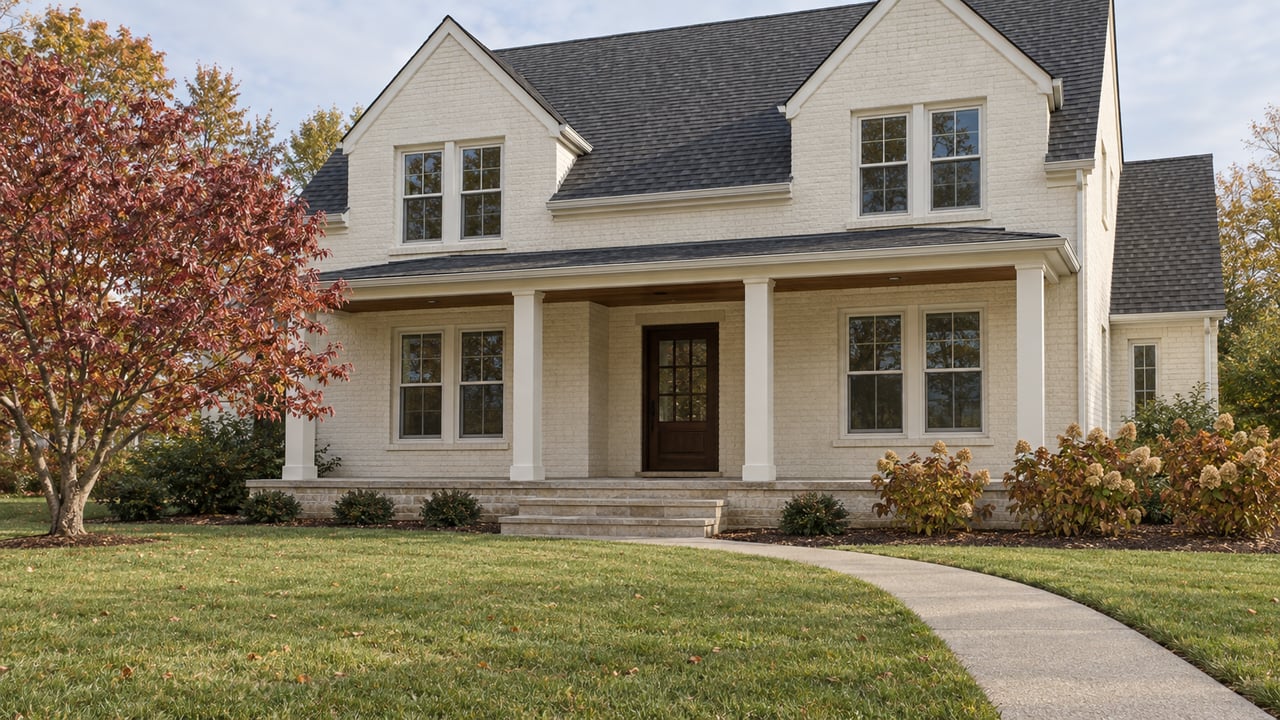
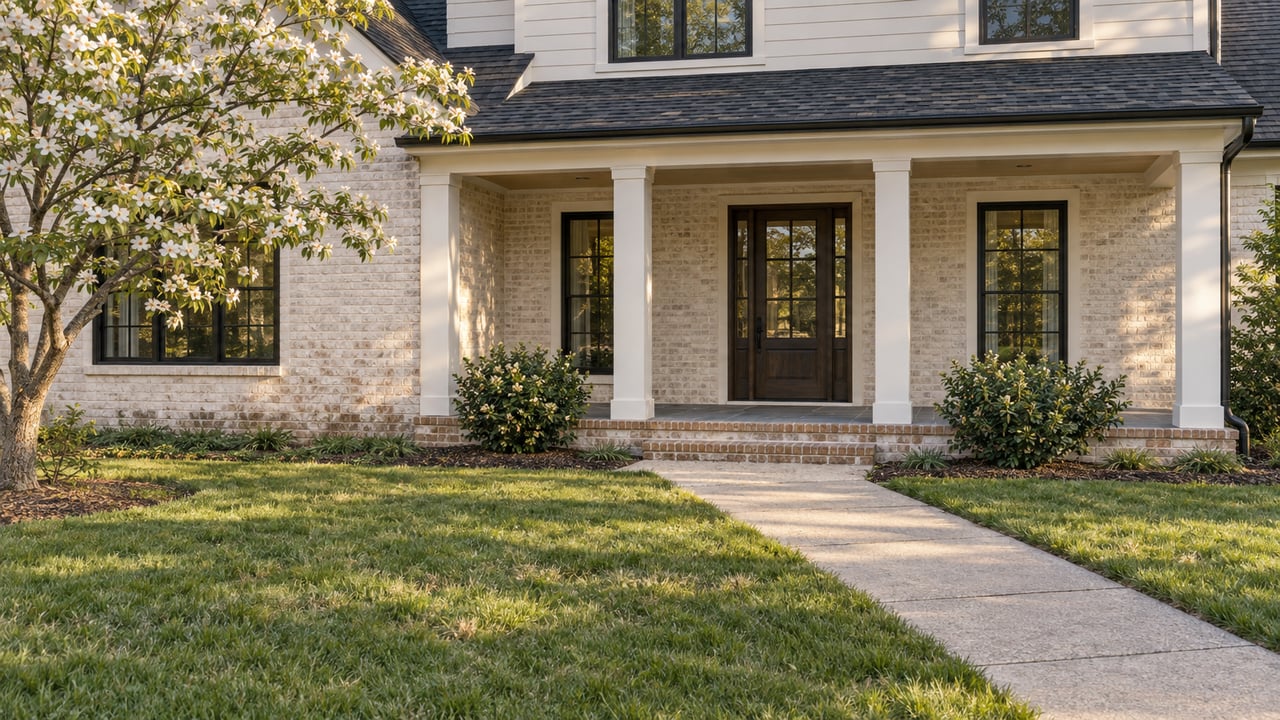
If you are looking for newer construction, more housing-type options, neighborhood amenities, or a more structured community layout, the newer areas on the outskirts may fit better. In many cases, they offer more variety in home style and a stronger planned-community environment.
The key is to think beyond the town name and focus on how you want your everyday life to feel. In Waxhaw, that choice can look very different from one part of town to another.
If you are weighing historic downtown versus newer communities in Waxhaw, local guidance can make the decision much clearer. Jennifer DiBenedetto can help you compare neighborhoods, commute patterns, home styles, and day-to-day lifestyle so you can move forward with confidence.
FAQs
Is downtown Waxhaw only for shopping and events, or can you live there comfortably?
- Downtown Waxhaw supports everyday living with restaurants, retail, professional services, free public parking, pedestrian improvements, and nearby residential historic homes.
Are all newer Waxhaw neighborhoods large master-planned communities?
- No. Town development records show a mix of townhome projects, smaller detached-home subdivisions, larger neighborhoods, and mixed-use communities.
Do newer Waxhaw communities usually have HOAs?
- Many newer subdivisions are more likely to have covenants, dues, and architectural standards, so you should review HOA documents carefully before buying.
Does a Waxhaw address always mean the home is inside Waxhaw town limits?
- No. The town’s planning department says a Waxhaw mailing address may reflect postal geography and not current municipal boundaries.
Is downtown Waxhaw more walkable than outer neighborhoods?
- Yes, downtown is the area where walkability improvements are most concentrated, while many outer neighborhoods are still more car-dependent for daily errands.
Will Waxhaw keep growing in the coming years?
- Yes. Town materials show the population more than doubled over the last decade, and current planning, development, and transportation projects all point to continued growth.